

The Isle of Man TT is one of the most iconic motorsport events in the world. It’s a course like no other, with thousands lining its notoriously challenging roads and winding bends to watch high-performance motorcycles reach up to speeds of 200mph.
If you’re thinking of attending, you’ll likely have a few questions in mind, including when it starts, the course route, how to get there, and how to get the most from your TT experience. Below we cover the key things to know.
What is the Isle of Man TT?
The Isle of Man TT is a motorsport event that takes place on the Isle of Man every year. It’s the oldest race in motorsport, with the first TT taking place way back in 1907.
Rather than a grid-start race, the TT (which stands for “Tourist Trophy”) uses a time trial format. Riders set off individually and race against the clock for a place on the podium.
The Isle of Man TT’s circuit is the Snaefell Mountain Course. While normally carrying everyday traffic, during the event, its roads become one of the most dangerous routes in the world.
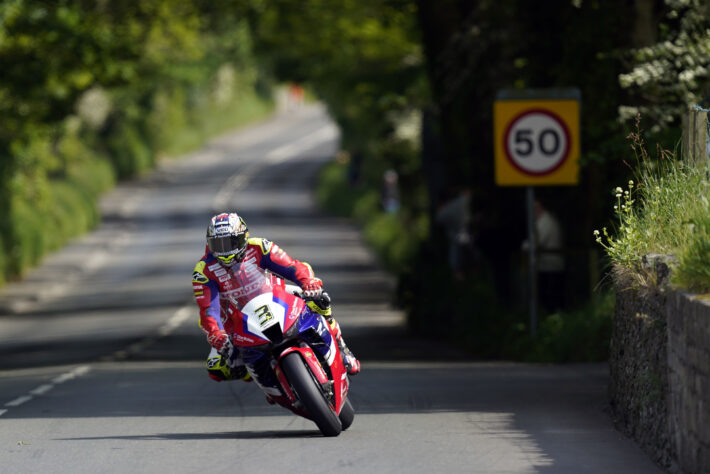
The TT includes races for solo bikes across several classes, as well as sidecar events, where a passenger shifts their body weight to help the outfit through corners.
Isle of Man TT 2026 dates: when does it start?
The Isle of Man TT 2026 typically runs from late May into early June. Provisional dates are:
- Practice week: approximately 25–30 May 2026
- Race week: approximately 30 May–6 June 2026
It’s worth noting that races are weather-dependent and can be rescheduled or cancelled at short notice. Road closures happen daily during sessions, so you’ll need to plan around them.
If you want to take in the full atmosphere, it’s worth arriving before race week itself.
Practice sessions give you a chance to find your feet, secure a good viewing spot, and experience the course before the pressure of race day.
Isle of Man TT course guide
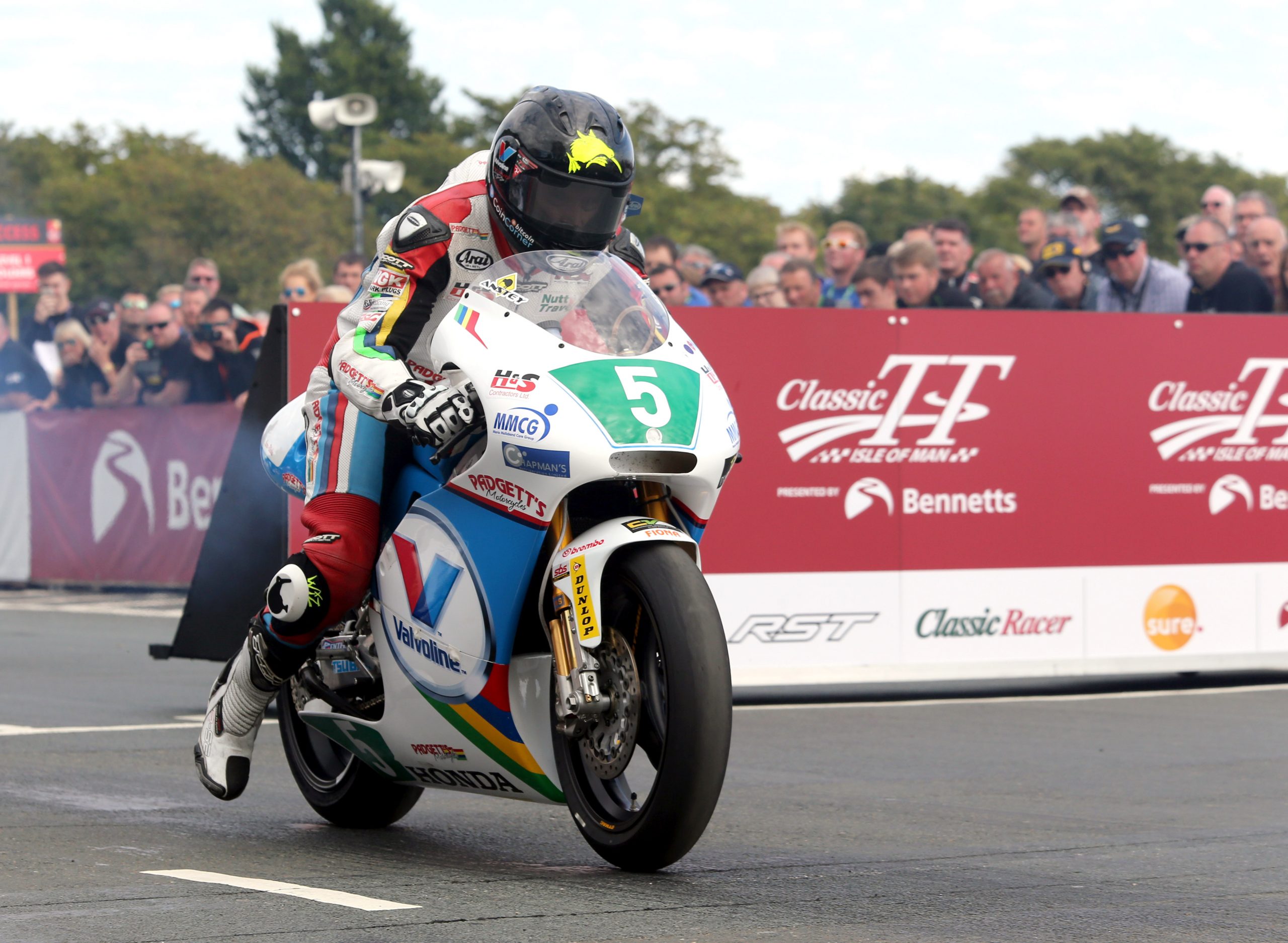
The Snaefell Mountain Course is 37.73 miles (60.72 km) long and features more than 200 corners, with some sources citing 264 individual turns. The current lap record sits at an average speed of over 135mph, which gives a sense of just how fast the course runs overall.
PICTURE BY STEPHEN DAVISON
The surface is public road, which means it comes with all the imperfections you’d expect: varying camber, bumps, and patches.
Here are some of the most well-known sections:
Bray Hill
Where the action kicks off, Bray Hill is a steep downhill section on the outskirts of Douglas, and riders hit extreme speeds right from the off. It’s one of the most dramatic sights in motorsport.
Ballaugh Bridge
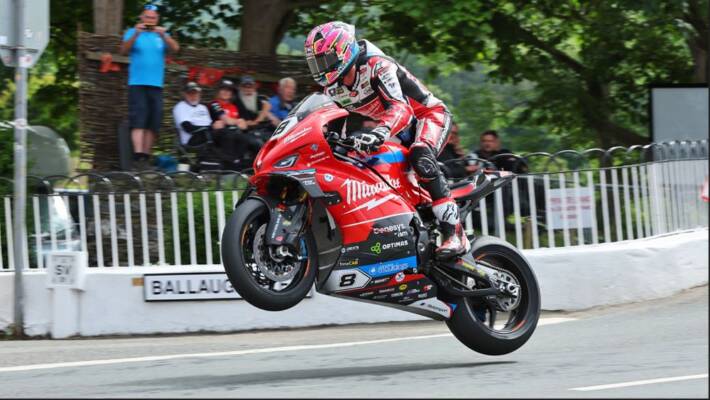
Ballaugh is famous for the jump. Riders crest a humpback bridge at speed, with wheels often leaving the ground. It’s a popular spectator spot, and the combination of speed and airtime makes it one of the event’s most-photographed moments.
Sulby Straight
This is the fastest section of the course. Top speeds are reached here, with the fastest riders pushing well past 200mph.
Ramsey Hairpin
After the speed of Sulby, riders must haul their bikes into a tight hairpin in the town of Ramsey before beginning the climb towards the mountain section.
Mountain Mile
The Mountain Mile is an exposed, open stretch across high ground. Weather here can change quickly, with fog and strong winds possible even in late May or early June. There are no run-off areas, and the surrounding terrain leaves little margin for error.
Throughout the course, stone walls, buildings, and lampposts sit feet from the racing line.
A guide to being an Isle of Man TT spectator
Watching the TT in person is an unforgettable experience, and there are free and paid options depending on where you want to watch from.
Free roadside viewing
Much of the course can be viewed for free from designated roadside areas. Popular spots include Bray Hill, Kirk Michael, and Ramsey. These areas fill up early, so arriving with plenty of time is advised.
Paid grandstands
Grandstands are located in Douglas, close to the start and finish line. These offer seating, commentary, and better facilities. Tickets are generally available in advance and can sell out.
Practical things to know
- Roads close approximately one to two hours before racing begins
- Once the course is closed, spectators can’t cross it
- Some viewing areas involve a significant walk or require early arrival to secure a spot
- A useful strategy is to pick one or two locations per day, rather than trying to move around
Safety
- Only stand in designated spectator areas
- Follow marshal instructions at all times
- Never stand on the outside of corners or near jump sections such as Ballaugh Bridge
If you’re planning your trip, explore more ideas in this guide to things to do in the Isle of Man.
How to get to the Isle of Man TT
You can get to the Isle of Man TT:
By ferry
The main ferry operator serving the island is the Isle of Man Steam Packet Company. The most popular route is Liverpool to Douglas, with journey times of approximately two hours 45 minutes to four hours depending on the vessel. There’s also a route from Heysham to Douglas.
You can bring your motorcycle on the ferry. Spaces book up well in advance during TT, so it’s worth reserving early if you’re planning to ride over.
By air
Direct flights are available from London, Manchester, Birmingham, and Dublin, among other airports. Flight times are typically 45–90 minutes depending on your departure point.
Where to stay during the Isle of Man TT
Accommodation on the island fills up quickly during TT week, and prices increase significantly. It’s advisable to book as early as possible.
Hotels and B&Bs
Most hotels and guesthouses are concentrated in Douglas, which is the island’s main hub and home to the start and finish line. Douglas also has the most options for food, drink, and nightlife after racing.
Campsites
Temporary TT campsites are available across the island and tend to be the most budget-friendly option. They’re a popular choice, particularly among riders who’ve come over by ferry.
Homestay scheme
Many island residents rent out rooms or whole properties during TT. This can be a good way to find accommodation if hotels are fully booked.
Key areas
- Douglas: Start/finish line, nightlife, central transport links
- Ramsey: Quieter atmosphere, good access to the northern section of the course
- Peel: Scenic setting on the west coast, more relaxed pace
Isle of Man TT 2026 schedule and race classes
The TT programme includes several race categories, each catering to different bike types and specifications. Most races run over three to six laps, with each lap covering the full 37.73-mile course. Total race distances can exceed 200 miles.
- Superbike TT: Ridden on 1000cc machines, the Superbike TT is one of the fastest races on the programme.
- Senior TT: Generally considered the most prestigious race of the event, the Senior TT is traditionally the final race of the week.
- Supersport TT: This class features 600cc bikes and is a popular race for both riders and spectators.
- Superstock TT: The Superstock class uses production-based 1000cc bikes, sitting between outright Superbike machinery and standard road bikes.
- Sidecar TT: Sidecar outfits consist of a rider and a passenger. The passenger moves their body weight around the outfit to help it through corners and under braking, making it one of the more unusual motorsport spectacles you’re likely to see.
Tips for first-time visitors
If it’s your first Isle of Man TT, a little preparation can go a long way.
What to bring
- Earplugs: The bikes are extremely loud, particularly at closer viewing spots. Ear protection is a sensible precaution
- Waterproofs: Weather on the island can change quickly, even in late May. Packing a waterproof jacket and trousers can make a long day on the roadside much more comfortable
- Cash: Remote viewing areas may have vendors who can’t accept card payments
Food and drink
Options in rural sections of the course can be limited. Bringing your own snacks and drinks is a practical solution, especially if you plan to spend a full day at a quieter spot away from the main towns.
Getting around during road closures
Once the roads close, you’re staying put for the duration of the session. This can be anything from an hour to several hours.
Rather than trying to move between multiple locations in a day, it’s generally more practical to pick one or two spots and settle in. Local knowledge from other spectators can also be useful when planning where to position yourself.
Why the Isle of Man TT is so famous
The TT’s reputation comes from a combination of history, speed, and sheer scale of challenge.
The event has been running for over a century, with the first race taking place in 1907. That history has produced some remarkable records and a long list of legendary riders.
Michael Dunlop is the most decorated TT rider of all time, with 33 wins across his career so far. His uncle Joey Dunlop (26) and John McGuinness (23) sit second and third on the all-time list.
Current lap records sit at average speeds of over 136.358 mph. To put that in context, riders are covering more than two miles every minute across roads that include tight corners, jumps, and blind crests.
Unlike many circuits, the TT course has no permanent layout that riders can walk or test on easily. Competitors memorise the entire 37-mile route, learning every bump, camber, and braking point. It’s one of the many factors that make this event so compelling.
Can you ride the TT course yourself?
Outside of race and practice periods, the Snaefell Mountain Course is open to the public and you can ride it at your own pace. Speed limits apply across most of the route, though parts of the Mountain Road section have historically been unrestricted. Conditions can change, so it’s worth checking current rules before you ride.
Riding the course gives you a genuine appreciation of just how fast the competitors go. What feels quick on a road ride is a fraction of what TT racers are doing under race conditions.
Experience the Isle of Man TT 2026 and keep your bike covered with Devitt
If you’re considering riding to the Isle of Man TT, it’s worth checking to see if you’re suitably protected before you set off.
Whether it’s time for renewal, or you’re looking to update your policy, we’re here to help find you a suitable motorbike insurance policy.
To explore your options, you can request a quote online or contact our UK-based team to find out more.
Disclaimer: the sole purpose of this article is to provide guidance on the issues covered. This article is not intended to give legal advice, and, accordingly, it should not be relied upon. It should not be regarded as a comprehensive statement of the law and/or market practice in this area. We make no claims as to the completeness or accuracy of the information contained herein or in the links which were live at the date of publication.
You should not act upon (or should refrain from acting upon) information in this publication without first seeking specific legal and/or specialist advice. Arthur J. Gallagher Insurance Brokers Limited trading as Devitt accepts no liability for any inaccuracy, omission or mistake in this publication, nor will we be responsible for any loss which may be suffered as a result of any person relying on the information contained herein.