

Motorcycle gloves are one of the most important pieces of riding gear, helping to improve comfort, control, and protection year-round. If you’re new to riding, our guide to motorcycle safety for beginners covers the wider basics to help you get started. The most suitable glove for you depends on the season, your riding style, the weather conditions, and personal preference.
Rather than focusing on the most expensive or stylish option, riders should focus on selecting suitable motorcycle gloves that offer a combination of protection, fit, materials, and weather performance. For example, summer motorcycle gloves and winter motorcycle gloves address very different riding conditions, which is why many riders choose more than one pair across the year.
This guide also aims to answer common questions riders often ask, including “are motorcycle gloves necessary?” and “how to break in new motorcycle gloves?”, alongside practical advice on choosing suitable motorcycle gloves.
Are Motorcycle Gloves Necessary?
Motorcycle gloves are not a legal requirement for riders in the UK, but the Highway Code (rule 84) notes that gloves, along with strong boots and suitable clothing, can help to protect you in a collision. For a broader look at wearing the appropriate motorcycle safety gear, it’s worth considering gloves alongside the rest of your riding kit as they can help improve comfort, control, and protection across a wide range of riding conditions.
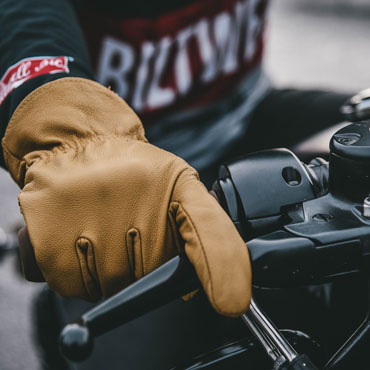
Hands are often one of the first parts of the body riders instinctively use to break a fall, which means gloves play a meaningful role in reducing the risk of injury. Gloves may also help with:
- Protecting hands during a fall or slide.
- Improving grip and control in dry and wet conditions.
- Reducing exposure to wind, rain, cold temperatures, and road debris.
- Reducing hand fatigue on longer rides.
- Providing extra protection against cuts, abrasions, and impacts.
Riders who question whether motorcycle gloves are necessary can often take reassurance from the fact that, while not a legal requirement, gloves are one of the more straightforward ways to add protection to a ride. For commuters, tourers, and year-round riders alike, suitable motorcycle gloves can make a noticeable difference to comfort on longer journeys. A daily commute at motorway speeds can expose bare or poorly protected hands to significant wind chill, while multi-day tours might bring on hand fatigue and stiffness if gloves lack the appropriate padding and grip.
That said, no item of riding gear, including gloves, completely prevents injuries. This is one of the reasons motorcycle training organisations and safety specialists generally recommend wearing gloves on every ride, regardless of distance or weather. The answer to the question, “Are motorcycle gloves necessary?” is that they’re not required, but it is recommended to wear them.
What Makes a Suitable Motorcycle Glove?
Gloves are just one part of your wider motorcycle riding gear. There are several features that riders should consider when comparing options and deciding what suitable motorcycle gloves might look like for them, in line with Royal Society for the Prevention of Accidents’ (RoSPA) guidance on protective clothing and materials:
- Protective materials, such as leather or reinforced textile.
- Impact protection, particularly around the knuckles.
- Abrasion resistance for sliding scenarios.
- Fit and comfort for extended wear.
- Weather resistance, including waterproofing where needed.
- Breathability to manage temperature.
- Fastening systems that keep gloves secure.
- Dexterity and control for operating switches and levers.
The suitable balance of these features can vary depending on how and when riders use the motorcycle. A short commute in fair weather has different demands than a full day of touring in changeable conditions. For example, a quick city ride may call for little more than a light, breathable glove with good dexterity for stop-start traffic, while a full day of touring often demands added weatherproofing, insulation, and sustained comfort to cope with changing conditions and hours in the saddle.
How Should Motorcycle Gloves Fit?
Fit is another important factor to consider when choosing motorcycle gloves. Suitable motorcycle gloves have a fit that is generally snug but comfortable, without excessive bunching of material.
Riders should look for:
- A snug but comfortable fit with no restriction of movement.
- Minimal bunching in the palm or fingers.
- Sufficient finger length, avoiding excess material at the tips.
- Good wrist coverage, where appropriate for the glove type.
- Freedom to operate controls safely, including the clutch, brake, and switches.
Poorly fitting gloves may affect both comfort and control, which can become a distraction on longer rides. Measuring hand size against manufacturer sizing charts before purchase should help riders find suitable motorcycle gloves the first time, rather than relying on returns or exchanges. In summary, suitable motorcycle gloves should feel secure without restricting movement of the fingers or wrist.
Summer Motorcycle Gloves: What Features Should You Look For?
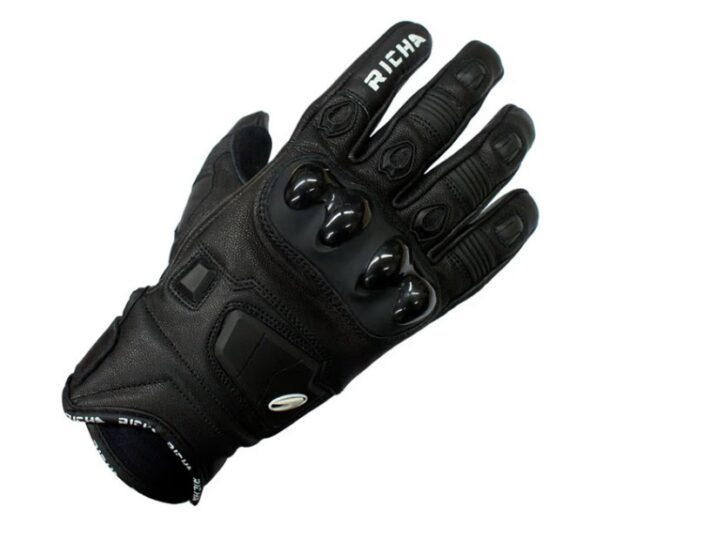
Summer motorcycle gloves address warmer riding conditions, where airflow and breathability often take priority over insulation. Suitable summer motorcycle gloves generally include:
- Lightweight construction to reduce bulk.
- Ventilation and airflow, often through perforated panels.
- Breathable materials to help manage heat.
- Moisture management for sweat and humidity.
- Suitable protection despite a reduced overall weight.
- Comfort during longer rides in warm weather.
There can be a trade-off between airflow and weather protection, so riders who occasionally encounter rain in summer months may want to consider summer motorcycle gloves with light water resistance built in, rather than gloves designed purely for ventilation. Suitable summer motorcycle gloves generally aim to balance both needs.
Winter Motorcycle Gloves: What Features Should You Look For?
Winter motorcycle gloves suit cold and wet riding conditions, where warmth and weatherproofing generally take priority over breathability. Suitable winter motorcycle gloves often include:
- Insulation to retain warmth.
- Waterproofing to keep hands dry.
- Wind protection to reduce chill.
- Longer cuffs to overlap jacket sleeves.
- Thermal liners for added warmth.
- Weather-resistant materials throughout.
Cold hands may affect both comfort and control, particularly when operating the clutch or brake lever for extended periods. Winter motorcycle gloves should aim to balance warmth with dexterity, since gloves that are too bulky can make it harder to feel the controls. Suitable winter motorcycle gloves generally strike this balance without adding unnecessary bulk, while still protecting the rider.
Motorcycle Gloves for Spring and Autumn Riding
Many riders spend much of the year riding in changing weather conditions, which is where mid-season gloves can be useful. Suitable motorcycle glove options for spring and autumn generally balance warmth and ventilation, rather than leaning fully towards summer or winter performance.
Key features to look for include:
- Mid-season construction, sitting between summer and winter designs.
- Weather versatility for changeable conditions.
- Water-resistant features for light rain.
- Comfort across a wider temperature range.
Depending on the budget available and personal preference, some riders choose to switch between seasonal gloves throughout the year, while others opt for a single suitable pair that is able to handle a broader range of conditions.
Understanding Motorcycle Glove Protection Features
Manufacturers generally design and test motorcycle gloves with several protective features, which can include:
- Knuckle protection, often using hard shell or reinforced padding.
- Palm reinforcement for slide protection.
- Impact protection zones across high-risk areas.
- Abrasion-resistant materials on the outer shell.
- Wrist retention systems to help keep gloves in place during a fall.
- Finger protection, including reinforced stitching.
Riders should not sacrifice protection solely for comfort or appearance. When comparing options, riders should check that any suitable motorcycle gloves under consideration include protective features appropriate to their type of riding, rather than focusing on style alone. Failing to do so may increase your risk of injury in an accident. Suitable motorcycle gloves generally combine several of these features rather than relying on just one, and similar principles apply when choosing other protective gear, such as motorcycle boots. Our motorcycle boots buying guide covers the same protective considerations for your feet.
Leather vs Textile Motorcycle Gloves
Leather and textile are two of the most common materials used in motorcycle gloves, each offering different advantages depending on riding conditions and rider preference.
| Feature | Leather Gloves | Textile Gloves |
| Durability | Generally strong, wears in over time | Generally durable, varies by construction |
| Abrasion resistance | Valued for close-fitting resistance | Often strong, depending on materials used |
| Weather protection | May require additional treatment and upkeep to maintain protection | Often includes waterproof membranes |
| Breathability | Can be limited | Often better ventilated |
| Comfort | May improve significantly once broken in | Often comfortable from first wear |
| Maintenance | May need conditioning or care products | Often easier to clean and dry |
Riders often value leather gloves for their durability, abrasion resistance, and close-fitting feel. Textile gloves typically offer greater versatility, with many incorporating waterproof membranes, thermal liners, and breathable materials. Many modern motorcycle gloves combine both materials to help balance protection, comfort, and weather performance.
Leather may appeal to sports riders and fair-weather riders who prioritise feel and abrasion resistance. Textile may suit commuters and touring riders who regularly ride in mixed weather conditions. Both materials can provide effective protection when they are specifically designed for motorcycle use and include suitable protective features. Rather than assuming one material is always more suitable than the other, riders should consider the fit, level of protection, seasonality, and intended use when making their choice.
How to Choose Motorcycle Gloves for Your Riding Style
Riding style often influences which motorcycle gloves are suitable, including:
- Commuting, where comfort and all-weather use tend to matter most.
- Touring, where long-distance comfort and adaptability are a priority. See our motorcycle touring checklist for more on preparing for longer trips.
- Weekend leisure riding, where a balance of comfort and protection often applies.
- Sports riding, where close fit and abrasion resistance are often prioritised.
- Adventure riding, where durability and weather resistance can be important.
Different riding environments might affect which features matter most. Commuters often prioritise weatherproofing and all-day comfort, since they are likely to ride in a wider mix of conditions. Tourers tend to value dexterity and breathability over long distances, while sports riders usually favour a closer fit and stronger abrasion resistance for higher-speed riding. Adventure riders often look for extra durability and weather resistance, given the wider range of terrain and conditions they may encounter. This is why there is no single motorcycle glove suitable for every rider. Choosing suitable motorcycle gloves for your riding style, rather than following a general recommendation, tends to give more consistent results.
How to Break in New Motorcycle Gloves
Some gloves may need a short break-in period to reach a suitable level of comfort. When learning how to break in new motorcycle gloves, riders can:
- Wear gloves around the house before riding in them.
- Use them on shorter rides initially.
- Allow materials to soften naturally over time.
- Avoid aggressive stretching methods, which might damage protective features.
- Follow manufacturer care instructions for the specific material.
Break-in requirements might vary depending on materials and construction, with leather generally needing more time than textile. Gloves should fit correctly from the outset, rather than relying on stretching over time to reach a suitable fit.
When Should You Replace Motorcycle Gloves?
Riders should inspect protective gear regularly to help protect against injury or windburn when riding, for example. Riders should consider replacing motorcycle gloves if they notice:
- Visible wear and tear on the outer material.
- Damaged stitching, particularly around high-stress areas.
- Worn palms, which may reduce grip and protection.
- Compromised protection features, such as damaged knuckle padding.
- Reduced waterproof performance in wet conditions.
- Damage following an accident, even if it appears minor.
Riders should generally base replacement decisions on condition rather than age alone. Riders should usually replace gloves involved in a fall or slide, since a fall or slide can compromise the protective materials even if the damage is not visible to the naked eye. Riders who have recently learned how to break in new motorcycle gloves should also check fit and stitching regularly during that early period, as this is when wear can first appear.
Protect Yourself on Your Rides with Motorcycle Insurance from Devitt
Fit, materials, and protection all play a part in finding suitable motorcycle gloves, whether for summer heat, winter cold, or the changeable conditions of spring and autumn. From understanding the different protection features to knowing when it’s time to replace a worn pair, choosing suitable motorcycle gloves for the season, riding style, and conditions can help riders stay comfortable and protected throughout the year.
Suitable gear is one part of staying protected on the road. Having appropriate cover in place can also help offer riders added confidence. Devitt has been providing motorbike insurance for over 90 years. We aim to help riders find cover that suits their needs, whether they are commuting, touring, or riding for leisure. Explore motorcycle insurance options with Devitt and see how we may be able to provide you with a suitable quote.
Disclaimer: the sole purpose of this article is to provide guidance on the issues covered. This article is not intended to give legal advice, and, accordingly, it should not be relied upon. It should not be regarded as a comprehensive statement of the law and/or market practice in this area. We make no claims as to the completeness or accuracy of the information contained herein or in the links which were live at the date of publication.
You should not act upon (or should refrain from acting upon) information in this publication without first seeking specific legal and/or specialist advice. Arthur J. Gallagher Insurance Brokers Limited trading as Devitt accepts no liability for any inaccuracy, omission or mistake in this publication, nor will we be responsible for any loss which may be suffered as a result of any person relying on the information contained herein.