

You’ve planned the route, and the itinerary’s sorted. Now’s the time to make sure you’re properly prepared for your touring trip. After all, you don’t want to forget important items (like a Visa or an insurance certificate) on longer trips. That’s where this motorcycle touring checklist comes in handy.
Whether you’re off for a long weekend winding through the Scottish Highlands or a month cruising across eastern Europe, our checklist aims to cover the key things to tick off before you go.
What is motorcycle touring?
Motorcycle touring is multi-day riding across one or more days. It typically ranges from a short weekend break to a multi-week or month adventure across multiple countries. Because of this, touring usually requires more planning, preparation, and equipment than an everyday ride or commute.
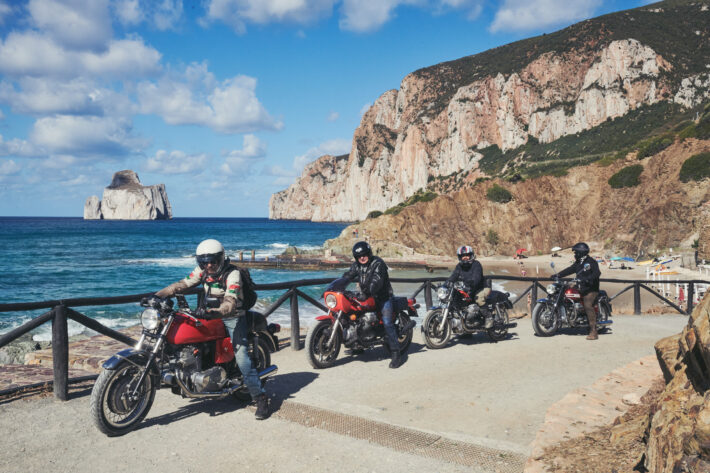
Planning your motorcycle tour
Before you start packing, take some time to plan the basics, as this will help you to work out what you need to bring.
- The type of tour: Are you staying in the UK or crossing into Europe? Will you be staying in hotels, B&Bs, or camping?
- Route planning: Think about realistic daily distances, must-see roads or locations, and how much flexibility you want to build in.
- Accommodation: Decide whether you’ll book ahead for certainty or keep things flexible as you go.
- Duration: A weekend tour has different demands to a week-long trip or an extended ride.
- Season: Spring, summer, and autumn each bring different weather considerations, particularly for UK and European riding.
- Solo or group: Riding with others adds a social element but can require extra coordination, particularly for group communication and pacing.
- Budget: Factor in fuel, accommodation, food, tolls, and activities.
- Bike suitability: Consider whether your current bike is well-suited to long-distance riding. Devitt’s touring bike guides may help you to think through your options.
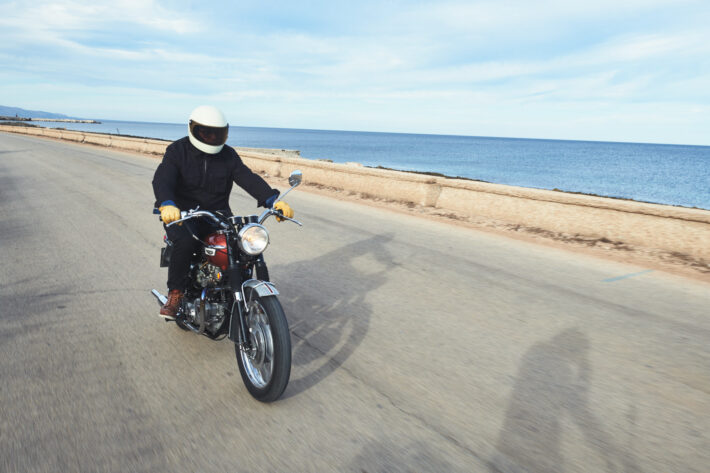
Motorcycle touring equipment and gear list
From luggage systems to sat navs and security, below is a breakdown of items that you might like to consider before you embark on your journey.
Luggage systems
- Hard panniers or soft luggage, depending on your bike and preferences
- Tank bags for essentials and navigation
- Top boxes for additional capacity
- Tail bags or roll bags, particularly useful for camping kit
- Waterproof liners or dry bags to protect your gear in wet weather
Navigation equipment
- A dedicated sat nav system (such as a Garmin or TomTom Rider)
- A phone mount with a weatherproof case
- Paper maps as a backup
- A power bank or USB charging system to keep devices topped up
Communication devices
- Bluetooth helmet communicators for hands-free use
- Intercom systems if you’re riding in a group
- A mobile phone with international roaming enabled for European tours
Security equipment
- A disc lock with a reminder cable
- A chain and padlock for overnight stops
- A motorcycle cover to keep your bike out of sight
- A GPS tracker for added reassurance
Motorcycle Helmets for Touring
Touring helmets have a range of features to provide convenience and comfort during long days in the saddle, including:
- Comfort for long hours: An internal sun visor and good ventilation can help reduce fatigue on full days of riding
- Noise reduction: A quieter helmet can significantly cut wind noise fatigue over distance
- Bluetooth compatibility: Look for built-in systems or adequate space to fit a communicator
- Anti-fog visor: Useful for the variable weather conditions common on UK and European tours
- Weight: A lighter helmet can help reduce neck strain over extended periods
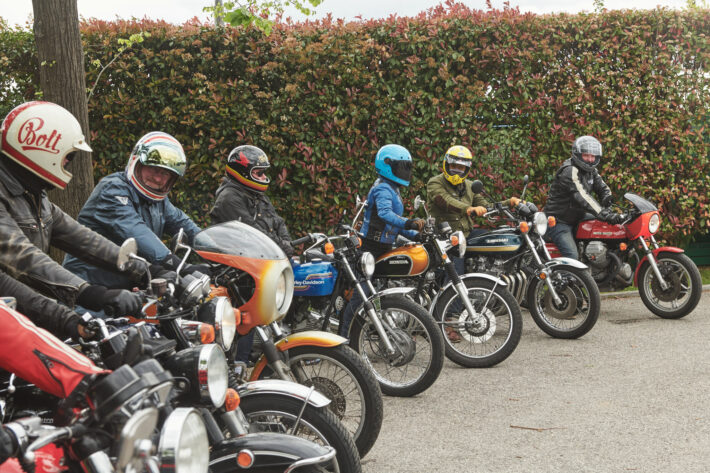
Choosing motorcycle tyres for touring
When you’re clocking hundreds of miles, it is important to have tyres equipped to handle varying road surfaces and conditions.
Key tyre considerations:
- Mileage longevity: are designed to balance grip with longer tyre life
- Wet weather performance: Particularly important for UK and European riding where conditions can change quickly
- Load rating: Your tyres should be able to handle the combined weight of your bike, luggage, and any passenger
- Dual compound options: A harder centre compound helps with mileage on long straights, while softer edges can provide grip through corners
Pre-tour tyre checks:
- Check tread depth. The legal minimum is 1mm across three-quarters of the tyre width, but many riders aim to replace at 2mm for safety across varying European legal limits
- Inspect for cracks, bulges, or any signs of damage
- If your tyres have less than 40% tread remaining before a long tour, it’s worth considering a replacement rather than hoping they’ll last the distance
- Check and adjust tyre pressures for loaded touring, as these can differ from your . You’ll find the recommended pressures for loaded riding in your bike’s owner’s manual or on the information plate (usually located on the chain guard, under the seat, or on the swingarm). These figures are set by the manufacturer and account for additional weight from luggage and passengers.
- If your tyres are borderline, fitting a new set before you leave is generally the sensible option
Riding gear checklist for motorcycle touring
Weather can change rapidly, so it’s important to have a diverse selection of clothing to call on if required. Here’s what to consider.
Helmet and head:
- Neck warmer or buff
- Earplugs to help reduce wind noise fatigue over distance
Upper body:
- with a removable liner and waterproof membrane
- Base layers, including thermal and moisture-wicking options
- Mid-layers for adjusting to temperature changes throughout the day
Lower body:
- with a waterproof liner
- Thermal leggings for colder conditions
Hands and feet:
- Summer and winter gloves, depending on the season and expected conditions
- Waterproof glove covers for prolonged wet weather
- that are comfortable for walking as well as riding, and ideally waterproof
- Extra socks, with moisture-wicking options where possible
Protective equipment:
- Back protector, if not already integrated into your jacket
- Chest protector, which is optional but worth considering for longer tours
- Spare visor or goggles
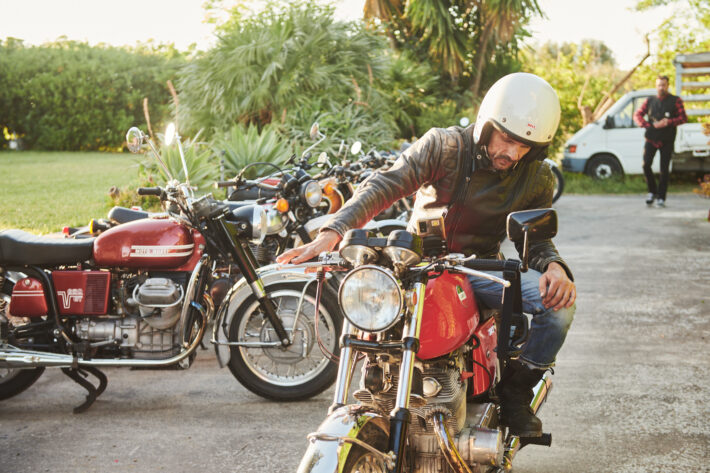
Clothing and personal items checklist
Alongside your riding gear, think through what you’re packing for time spent off the bike. Bear in mind that space will be limited, so it’s often best to pack practically and minimally.
Casual clothing:
- T-shirts and casual tops
- Trousers or shorts
- Underwear, with a few spares
- Casual footwear or trainers
- A lightweight jacket or fleece
- Swimwear, if relevant to your destination
Toiletries:
- Travel-sized toiletries to save space and weight
- Any medications or prescriptions you need
- A small first aid kit
- Sunscreen
- Glasses or contact lenses, plus a spare pair of prescription glasses, as some countries, including France and Spain, may require riders to carry them
Other personal items:
- Wallet with cards and cash, including local currency for European tours
- Phone and charging cables
- Travel adapters for European trips
Motorcycle touring tools and emergency equipment
Knowing you’ve packed helpful tools and an emergency kit can help offer peace of mind. Plus, it may save you time and money if you can fix the issue yourself.
Essential tools:
- A bike-specific tool kit suited to your model
- A tyre repair kit, including plugs and CO2 canisters or a portable pump
- Spare fuses
- Duct tape and zip ties for improvised fixes
- A multi-tool or Swiss Army knife
- Spare clutch and throttle cables, if your bike uses cable operation
- Spare bulbs, which are a legal requirement in some EU countries
Emergency equipment:
- A first aid kit
- A high-vis vest, which is a legal requirement in several EU countries
- A warning triangle for European touring
- Reflective stickers or tape
- A torch or headlamp
- Emergency contact numbers written down as a backup to your phone
- Breakdown cover details kept somewhere easily accessible
Maintenance items:
- Chain lube
- WD-40 or a similar penetrating oil
- Microfibre cloths
- Spare screen wash, if applicable to your bike
For further guidance on compulsory equipment requirements by country, the AA’s touring tips document can be a helpful reference.
Documents and insurance
Countries around Europe have varying requirements. For instance, some may require you to carry physical copies of your driving licence, insurance documents, and V5C logbook at all times, while others may have specific rules around safety equipment or emissions stickers.
With this in mind, you might consider taking the documents below.
UK touring documents:
- Valid motorcycle licence
- V5C registration document or keeper slip
- MOT certificate, if applicable
- Insurance certificate
- Breakdown cover documentation
European touring: additional requirements
- Passport, valid for at least six months beyond your travel dates
- Global Health Insurance Card (GHIC). If you have an existing EHIC that hasn’t expired, it remains valid. New applications are issued as GHIC
- Travel insurance with motorcycle coverage
- A UK sticker (this replaced the GB sticker in 2021) or a number plate clearly displaying the UK identifier.
- Originals of your V5C registration document and insurance certificate, as photocopies are often not accepted by European authorities.
- Check for city-specific emissions stickers if your route takes you through major European cities (e.g., Crit’Air for France).
Breakdown and recovery cover:
- UK breakdown cover for the domestic legs of your journey
- European breakdown cover with repatriation, so your bike can be brought home if it can’t be repaired locally
- Emergency numbers saved in your phone and written down as a backup
Insurance considerations:
- Confirm whether your policy includes European cover. Many UK motorcycle policies can include this, typically up to 90 days, but it’s worth checking your specific terms
- Check the territorial limits of your cover
- Confirm whether your policy covers a pillion passenger if you’re planning to ride two-up
- Check whether your luggage and equipment are covered under your policy
Pre-departure motorcycle preparation
Packing suitable gear is one thing, but it’s also important to make sure your bike is prepped for the trip. You can do this with:
Mechanical checks:
- Full service, if one is due or close to being due
- Oil and filter change
- Coolant level and condition
- Brake fluid level and pad condition
- Chain tension, lubrication, and overall wear
- Tyre condition and pressures, adjusted for loaded touring
- Lights, indicators, and horn all functioning correctly
- Battery condition and charge
- Suspension settings adjusted for loaded touring if needed
- Steering head bearings checked for any signs of wear or tear
Packing tips for motorcycle touring
Not only does neat and practical packing mean you can stow more items, but it can also make a difference to handling and fuel efficiency. Here’s what to consider.
Weight distribution:
- Keep heavier items low and as close to the centre of the bike as possible
- Balance weight evenly between left and right panniers
- Stay within your bike’s maximum luggage weight limits
- Spread weight across multiple bags rather than loading everything into one
Accessibility:
- Keep daily essentials such as your wallet, phone, and snacks in your tank bag
- Make sure your wet weather gear is easy to get to without unpacking everything
- Keep tools and emergency kit in a single, consistent location
- Store dirty or wet items separately from clean clothes
Packing tips:
- Use packing cubes or stuff sacks to keep things organised
- Roll clothes rather than folding to save space
- Wear your bulkiest items, including your boots and jacket, rather than packing them
- Keep electronic devices in waterproof bags or cases
- A bungee net can be useful for securing overflow items
- In general, packing less tends to make for a better tour
Checklists for different types of tours
The kit to take can vary depending on the type of tour you’re planning. Below is a brief breakdown of suggestions by tour type.
Weekend UK tour (one to three nights):
- A basic tool kit should be sufficient
- Focus on riding essentials and keep packing light
Extended UK tour (one week or more):
- Consider laundry options and pack accordingly
- Include camping gear if that’s part of your plan
- A more comprehensive tool kit tends to be worth the extra weight
European touring:
- All the additional documents listed above apply
- Carry both cards and local currency, as not all areas accept card payments reliably
- Factor in European fuel costs and toll road requirements
- Carry more comprehensive emergency equipment to meet legal requirements in certain countries
Camping tours:
- Tent, sleeping bag, and sleeping mat
- A compact cooking setup, including a stove and basic utensils
- Camping-appropriate clothing for evenings
- Additional water-carrying capacity
Explore motorbike insurance from Devitt
Another thing to add to your list? A motorbike insurance policy that’s suitable for your trip.
Not only is having insurance a legal requirement, but it may also help protect you should something happen, such as a breakdown, theft or accidental damage to yours or someone else’s vehicle. Without it, you could face significant costs if something goes wrong.
If you already have insurance for your bike, it’s worth seeing if your policy reflects how and where you plan to ride on your touring adventure. That’s because standard policies might not cover you for unique aspects of your trip, for instance, travelling across various EU countries.
At Devitt, our motorbike insurance includes 90 days of EU cover as standard, with optional extras available, such as RAC breakdown cover, legal expenses, and personal accident protection with helmet and leathers.
You can get a quote online or contact us to find out more.
FP784-2026b 29/05/2026
Disclaimer: the sole purpose of this article is to provide guidance on the issues covered. This article is not intended to give legal advice, and, accordingly, it should not be relied upon. It should not be regarded as a comprehensive statement of the law and/or market practice in this area. We make no claims as to the completeness or accuracy of the information contained herein or in the links which were live at the date of publication.
You should not act upon (or should refrain from acting upon) information in this publication without first seeking specific legal and/or specialist advice. Arthur J. Gallagher Insurance Brokers Limited trading as Devitt accepts no liability for any inaccuracy, omission or mistake in this publication, nor will we be responsible for any loss which may be suffered as a result of any person relying on the information contained herein.