

Motorcycle cleaning is an important part of motorcycle ownership. Beyond appearance, regular motorcycle cleaning may help protect components and may make it easier to spot maintenance issues.
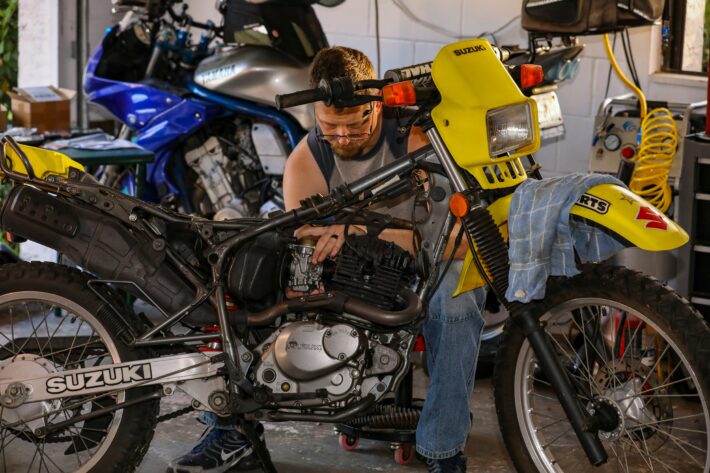
Riding exposes a motorcycle to dirt, road grime, salt, insects, and other contaminants. Over time, these may contribute to corrosion and wear if left unaddressed. Using suitable motorcycle cleaning products and techniques should help make cleaning quicker and more effective.
Different parts of a motorcycle, from paintwork to wheels and the chain, often call for different cleaning approaches. This guide should help you understand what to use, when, and why, and works alongside wider basic motorcycle maintenance habits.
Why Regular Motorcycle Cleaning Matters
Cleaning a motorcycle is about more than keeping it looking good, although that’s part of it too. Regular washing offers several practical benefits:
- May help prevent corrosion and rust, particularly on exposed metal components.
- Removes road salt and contaminants that may otherwise sit on the motorcycle for extended periods.
- Helps protect paintwork and finishes from grime that might dull or damage surfaces over time.
- Makes it easier to spot leaks, damage, or wear, since issues show more clearly on a clean motorcycle.
- May help maintain resale value, since a well-maintained appearance is often noted by prospective buyers, particularly for classic or modern classic motorcycles.
Riders who use their motorcycles year-round, including through winter, may need to clean their motorcycles more frequently than those who only ride occasionally. Road salt and grit, in particular, may build up quickly during colder months.
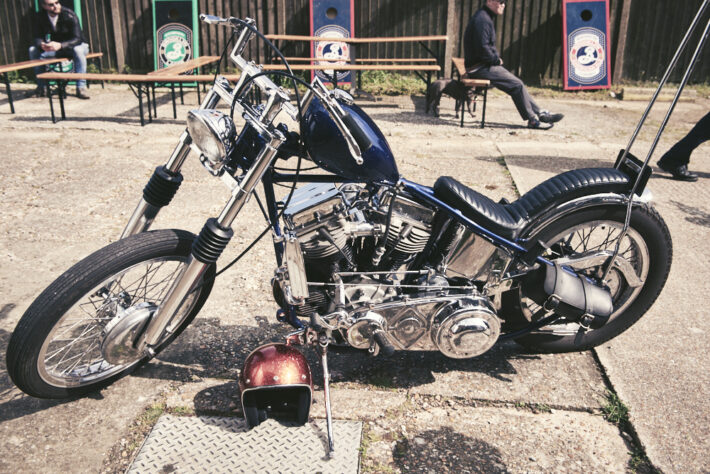
What Motorcycle Cleaning Products Do You Need?
Before starting, gather the suitable products and equipment to clean and look after your motorcycle. A typical motorcycle cleaning kit might include:
- Motorcycle cleaner, designed for general bodywork and surfaces.
- Motorcycle degreaser, for oily or greasy residue.
- Motorcycle engine cleaner, formulated for use around engine components.
- Microfibre cloths, which are gentle on paint and other finishes.
- Soft brushes, for reaching tighter areas without scratching.
- Wash mitts, for applying cleaner without abrasion.
- Buckets, ideally one for cleaning solution and one for rinsing.
- A hose or low-pressure water source, for rinsing.
- Chain cleaning products, suited to the type of chain on your motorcycle.
- Protective sprays, to help guard against future grime build-up.
Motorcycle-specific products are often recommended over general household cleaners, which may be overly aggressive and may damage paintwork, plastics, or rubber seals that motorcycle cleaning products are formulated to work safely around. Always follow the manufacturer’s instructions when handling cleaning products.
Preparing Your Motorcycle for Cleaning
Taking a few minutes to prepare should help make cleaning safer and more effective, and simple checks beforehand may also help avoid water spots, product residue, or missed damage. Before you begin, you should:
- Allow the engine and exhaust to cool completely, as cleaning a hot motorcycle might cause water spots and cleaning products to dry too quickly to be effective, sometimes leaving residue behind.
- Park the motorcycle on stable ground, ideally on its centre stand or a paddock stand if available. This gives you access to clean both wheels and spin them for full coverage.
- Choose a shaded area where possible, as direct sunlight may speed up product drying time and lead to streaking.
- Gather all cleaning products before starting, so you’re not searching for items mid-wash.
- Check for any existing damage or loose components. This may help you avoid causing further issues and note anything that should be looked at ahead of an MOT check.
How to Wash a Motorcycle Properly
A methodical approach may help to reduce the risk of damage and help achieve thorough cleaning. Rushing or skipping steps may leave dirt trapped against the surface, increasing the risk of scratches or streaking. A typical motorcycle cleaning process might follow these steps:
- Pre-rinse loose dirt with a hose or low-pressure water source.
- Apply motorcycle cleaner using a wash mitt, soft brush, or the attached dispenser.
- Allow products to dwell as instructed on the packaging.
- Agitate dirt with soft brushes where required, particularly in textured or recessed areas that are prone to collecting dirt.
- Rinse thoroughly, making sure no cleaning product residue remains.
- Dry carefully, using clean microfibre towels.
Working from top to bottom is generally recommended, as this allows dirty water to run down and off the areas you’ve already cleaned, rather than re-depositing grime. Avoiding scratches matters throughout, so use soft, clean materials and rinse brushes and mitts regularly to reduce the risk of dragging grit across paintwork.
Cleaning Motorcycle Paintwork and Body Panels
Painted surfaces often need a gentler approach, as harsher products or techniques may dull the finish or leave fine scratches over time. When cleaning paintwork and body panels, consider the following:
- Try pH-neutral motorcycle cleaning products, these can be gentler on paint and clear coats.
- Take extra care with matt paint finishes, which may scuff or develop a sheen unless cleaned with mild car wash soap and water; wax, sealant, and polish products are generally unsuitable for matt surfaces.
- Avoid abrasive sponges, which may introduce fine scratches over time.
- Remove insects and stubborn grime safely, allowing cleaner to dwell rather than scrubbing hard immediately.
- Treat tar spots separately, as these often need a dedicated remover rather than general motorcycle cleaner, particularly under exhausts, downpipes, and fairing lowers.
- Use careful drying techniques to minimise water spots, such as blotting rather than dragging cloths across the surface.
- Protect paint with suitable finishing products, such as a wax or sealant, once clean and dry, noting that matt finishes typically require different, matt-specific protectants.
How to Clean Motorcycle Wheels
Wheels often accumulate brake dust, road grime, and chain lubricant, making them one of the harder areas to clean thoroughly. When cleaning motorcycle wheels, you should:
- Use wheel-safe motorcycle cleaning products, particularly on alloy or painted wheel finishes.
- Clean spokes and hard-to-reach areas with a soft brush designed for tight spaces.
- Remove brake dust carefully, as it may be abrasive if rubbed in with a dry cloth.
- Avoid damage to wheel finishes by steering clear of harsh chemicals not designed for them.
Use separate brushes and cloths for wheels rather than the same ones used on paintwork, as brake dust and road grime could scratch other surfaces. Cleaning the wheels also offers a useful opportunity to inspect for spoke damage, tyre wear, or other issues.
Using Motorcycle Degreaser Safely
Motorcycle degreasers are designed to tackle oily or greasy build-up that general cleaners might not shift effectively. This build-up is most common around the chain and lower engine area, where lubricant overspray and road grime tend to combine. They’re commonly used for:
- Removing chain lubricant build-up.
- Cleaning oily residue around the engine or drivetrain, often alongside a motorcycle engine cleaner for tougher build-up.
- Tackling stubborn grime in areas exposed to road spray and lubricant overspray.
- Preparing surfaces for maintenance, where a clean surface is needed before further work.
Degreasers should be used according to the manufacturer’s instructions, as concentration and dwell times may vary between products. Prolonged contact with sensitive finishes, plastics, or rubber components should generally be avoided, and thorough rinsing is usually required afterwards.
How to Clean a Motorcycle Engine
Engine cleaning often requires extra care due to electrical components, sensors, and varied surface textures. If you’re not familiar with which parts of the engine bay are sensitive, our guide on knowing your way around a motorcycle may help you identify them before you start. When cleaning a motorcycle engine, you might consider:
- Applying a motorcycle engine cleaner to help loosen grime, used sparingly around sensitive areas.
- Avoiding excessive water around electrical components, such as connectors, sensors, and wiring.
- Using soft brushes for difficult areas, including around fins, bolts, and recesses.
- Cleaning cooling fins where applicable, as dirt build-up here may affect cooling efficiency.
- Drying thoroughly afterwards to prevent moisture lingering in hard-to-reach spots.
Common areas where dirt tends to accumulate include around the base of the engine, near the exhaust headers, and in any recessed casing details. A motorcycle engine cleaner suited to these areas may help to loosen built-up grime before rinsing.
Should You Use a Pressure Washer on a Motorcycle?
Pressure washers might be useful for removing stubborn dirt, but they should be used carefully, as not every part of a motorcycle is suited to high-pressure water.
| Details | |
| Potential advantages | May help remove heavy grime and mud more quickly than a hose. |
| Potential risks | May force water into bearings, seals, or electrical connectors, potentially leading to damage or corrosion. |
| Suitable uses | General bodywork and wheels, from a reasonable distance and on a lower pressure setting. |
| Areas to avoid | Wheel bearings, fork seals, swingarm bearings, electrical connectors, and the chain. |
If using a pressure washer, keep a safe distance from sensitive areas, and use a lower pressure setting to help reduce risk.
Cleaning and Maintaining Your Motorcycle Chain
Chain cleaning is a key part of routine motorcycle maintenance, alongside general washing. RoSPA’s guidance on preparing your motorcycle suggests checking chain tension, alignment, and lubrication roughly every 500 miles. Chain care typically involves:
- Removing old lubricant and dirt with a suitable chain cleaner.
- Using appropriate chain cleaning products, matched to your chain type where relevant.
- Inspecting for wear, including stiff links, excessive play, or visible damage.
- Applying fresh chain lubricant after cleaning, once the chain is fully dry.
- Checking chain tension, adjusting as needed in line with manufacturer guidance.
Chains left to dry naturally may be prone to flash rusting, where exposed metal corrodes quickly once wet. A rust-inhibiting chain cleaner, combined with prompt drying before lubricating, should help reduce this risk.
Dirty or poorly maintained chain might affect performance and shorten its lifespan. Always follow the manufacturer’s recommendations for chain cleaning intervals and products, as these vary by chain type.
Drying and Protecting Your Motorcycle After Washing
Proper drying helps achieve a clean, streak-free finish and protects the motorcycle between washes. Water left on metal fittings and fasteners may encourage corrosion if not removed promptly, so drying is worth treating as a proper step, not an afterthought.
- Use clean microfibre towels to absorb water gently without scratching.
- Remove water from hard-to-reach areas, such as under the seat, around switches, crevices such as the fuel filler cap, and within fairing gaps.
- Help prevent water spots by drying promptly rather than letting the motorcycle air dry in the sun.
- Apply protective coatings where appropriate, such as wax, sealant, or specific metal protectants.
- Protect exposed metal surfaces, which may be more prone to corrosion if left damp.
Protective products applied after drying may help maintain the motorcycle’s appearance and reduce how much grime sticks to surfaces.
How Often Should You Clean Your Motorcycle?
Cleaning frequency depends largely on riding habits and conditions. A motorcycle ridden daily through winter traffic faces different build-up than one used occasionally in dry weather, so it helps to think in terms of exposure rather than a fixed schedule.
- Year-round riding: more frequent cleaning is often needed due to ongoing exposure to road grime and weather.
- Winter riding: road salt and grit might accelerate corrosion, so more regular washing may be worthwhile.
- Weekend use: cleaning after each ride, or every few rides, is often sufficient for less frequent use.
- Touring: longer rides may expose a motorcycle to a wider range of conditions, so a clean soon after returning is generally a good idea.
- Off-road riding: mud and debris may accumulate quickly, so cleaning straight after a ride is usually recommended.
- Long-term storage preparation: a thorough clean and protective coating before storage may help guard against corrosion while the motorcycle isn’t in use. Our guide to motorcycle storage covers this in more detail.
A regular cleaning routine suited to how and where you ride should help you stay on top of dirt and grime before it becomes harder to remove. Motorcycles regularly exposed to road salt typically need more frequent attention than those ridden in dry conditions. A clean is also a sensible part of working through our start-of-season motorcycle checklist after winter storage.
Protect Your Motorcycle with Motorcycle Insurance from Devitt
Keeping a motorcycle clean may help protect its appearance, guard against corrosion, and make it easier to spot issues early. From choosing suitable motorcycle cleaning products to using safe techniques on paintwork, wheels, and the chain, a consistent cleaning routine forms part of looking after a motorcycle over the long term.
Alongside regular maintenance, suitable motorcycle insurance is another part of looking after your motorcycle. Devitt has been providing motorcycle insurance for over 90 years, and we aim to help riders find cover suited to their needs.
If you’d like to find out more about the motorcycle insurance options available, our team is on hand to help. You can contact our team online or call 0345 872 3614.
Disclaimer: the sole purpose of this article is to provide guidance on the issues covered. This article is not intended to give legal advice, and, accordingly, it should not be relied upon. It should not be regarded as a comprehensive statement of the law and/or market practice in this area. We make no claims as to the completeness or accuracy of the information contained herein or in the links which were live at the date of publication.
You should not act upon (or should refrain from acting upon) information in this publication without first seeking specific legal and/or specialist advice. Arthur J. Gallagher Insurance Brokers Limited trading as Devitt accepts no liability for any inaccuracy, omission or mistake in this publication, nor will we be responsible for any loss which may be suffered as a result of any person relying on the information contained herein.