

Understanding the types of motorcycle insurance may help you choose cover that suits your motorcycle, riding habits, personal risk tolerance, and budget. Cover levels can vary significantly in protection and cost, so it is worth taking the time to understand the differences before deciding.
What Are the Main Types of Motorcycle Insurance Cover?
There are three main types of motorcycle insurance available in the UK, each meeting the legal minimum to ride on UK public roads, with higher levels typically providing greater financial protection.
- Third-party only.
- Third-party, fire, and theft (TPFT).
- Comprehensive insurance.
UK law requires all vehicles with road tax and an MOT that are in a roadworthy condition to be insured.

What is Third-Party Only Motorcycle Insurance?
Third-party is the minimum level of motorcycle insurance legally required to ride on UK roads. Third-party insurance offers cover for damage or injury caused to other road users, their vehicles and their property.
Third-party only does not cover damage to or theft of your own motorcycle; this requires an additional level of cover. Third-party only cover is often chosen for low-value motorcycles or budget-conscious riders, though it may still leave riders exposed to significant repair or replacement costs.
What is Third-Party, Fire, and Theft Insurance?
Third-party, fire, and theft insurance builds on third-party only insurance and can offer cover if your bike is stolen or damaged by fire, but it may not cover accidental damage to your own motorcycle.
It is considered a middle-ground option for riders seeking broader protection without committing to the Comprehensive policy level.
What Is Comprehensive Motorcycle Insurance?
Comprehensive insurance, also known as fully comp insurance, is the highest level of cover available for motorcycles.
Comprehensive insurance builds on the cover offered under third-party and third-party fire and theft policies but can also offer increased protection for you and your motorcycle.

It covers you and your motorcycle in the event of an accident, subject to policy terms, and may also cover the damage costs to a third-party and their vehicle. It may include protection against vandalism and may include optional extras, such as helmet and leather cover, a courtesy motorcycle, and legal expenses, depending on your policy details.
You may be able to claim against your comprehensive insurance cover if your motorcycle is stolen or damaged by fire.
Always read the policy wording carefully, as cover can differ significantly between insurers.
Third-Party vs Third-Party Fire and Theft: What is the Difference?
The core difference between third-party only and third-party fire and theft cover lies in the additional protection third-party fire and theft can provide for your motorcycle. Third-party only insurance applies to damage to other road users their vehicles or their property, whereas third-party fire and theft cover can protect you in the event your motorcycle is stolen or damaged by fire. Neither policy usually covers accidental damage to your motorcycle.
Third-party fire and theft cover premiums are often slightly higher, reflecting the added protection you may receive; you may wish to consider your situation and whether the added protection justifies the price difference.
Third-Party Fire and Theft vs Comprehensive: Which Offers Better Protection?
The main difference between third-party fire and theft and comprehensive motorcycle cover is in the event of an accident. A comprehensive policy may cover your motorcycle repair costs following a collision, whereas third-party fire and theft may not. Comprehensive cover may also include additional benefits and optional extras, such as leathers cover.
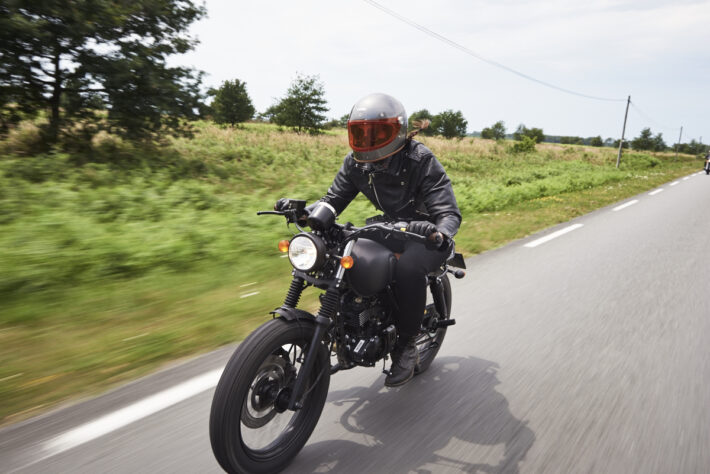
Third-party fire and theft may appear cheaper upfront, but an accident could lead to higher out-of-pocket costs.
Comparing policy wording, not just price, can help you to find the cover you’re looking for.
What is not usually covered by motorcycle insurance?
While the types of motorcycle insurance vary in the level of cover they provide, there are common exclusions across providers, which you should check in your policy documents.. Here are a few common exclusions:
- Riding without a valid licence, or under the influence of alcohol or drugs.
- General wear and tear or mechanical breakdowns.
- Using your motorcycle outside of your policy terms.
- Undeclared motorcycle modifications.
- Track riding or racing, unless specifically covered.
- Theft resulting from inadequate security precautions.
How to Choose Between Third-Party, Third-Party Fire and Theft, and Comprehensive Cover.
When choosing between the types of motorcycle insurance available, you may want to consider the value of your motorcycle and whether it is financed, your expected annual mileage, and how you use your motorcycle, whether for daily commuting or occasional leisure riding.
Where and how you store your motorcycle when not in use is also worth considering, as this can affect your level of financial exposure if your motorcycle is damaged, written off, or stolen. If helmet and leather cover matters to you, this is worth factoring in too.
Whichever insurance level you choose, be sure to check the policy wording carefully to understand whether you have the most suitable cover for your situation.
Is Comprehensive Motorcycle Insurance Always More Expensive?
No, comprehensive motorcycle insurance is not always the most expensive option. Insurers price premiums based on risk, and riders who opt for lower levels of cover can sometimes present a higher-risk profile, meaning comprehensive cover may occasionally cost no more than third-party fire and theft.
Premiums are often influenced by:
- Age and riding experience.
- Your location.
- Your motorcycle type and value.
- Your claims history.
- How you use and store your motorcycle.
As previously mentioned, premiums for third-party only cover may appear lower upfront, but they may also result in higher out-of-pocket costs if something goes wrong.
Comparing quotes across all three levels before deciding is a reliable approach.
Which Type of Motorcycle Insurance Suits Which Rider?
Different types of motorcycle insurance may suit different riders, so it is worth taking time to evaluate your options.
For example, new riders with lower-value motorcycles and those storing their motorcycles outside may consider third-party or third-party fire and theft cover as a starting point, while owners of expensive or financed motorcycles may prefer comprehensive for the added protection.
Occasional or leisure riders may prioritise affordability, while daily commuters may value comprehensive protection given their greater exposure to other road users.
For specialist or classic motorcycles, owners may seek comprehensive cover given the potential cost of sourcing parts.
Find Motorcycle Insurance to Suit Your Needs with Devitt
Finding suitable motorcycle insurance for you comes down to your bike, how you ride, and what level of protection you are comfortable with. Third-party only can provide basic legal cover, third-party fire and theft can add protection for theft and fire, and comprehensive can provide the broadest level of cover, which may include damage to your own bike.
Insurance may play an important part in helping protect you if something unexpected happens, so take the time to compare options across all three levels, not just price, as premiums are assessed on risk and can vary between providers.
Devitt has been a specialist in providing motorcycle insurance for over 90 years. We can provide a range of motorcycle insurance options that may be suitable for you. You can get a quote online or contact our UK-based team to find out more.
Disclaimer: the sole purpose of this article is to provide guidance on the issues covered. This article is not intended to give legal advice, and, accordingly, it should not be relied upon. It should not be regarded as a comprehensive statement of the law and/or market practice in this area. We make no claims as to the completeness or accuracy of the information contained herein or in the links which were live at the date of publication.
You should not act upon (or should refrain from acting upon) information in this publication without first seeking specific legal and/or specialist advice. Arthur J. Gallagher Insurance Brokers Limited trading as Devitt accepts no liability for any inaccuracy, omission or mistake in this publication, nor will we be responsible for any loss which may be suffered as a result of any person relying on the information contained herein.