

There’s nothing quite like summer for motorbike rides. But while it can be a very enjoyable time to ride, the sunny months bring their own set of risks and challenges – heat, heavier traffic, and shifting road surfaces to name a few. So, to help keep you safe this season, we cover some practical summer motorcycle riding safety tips below.
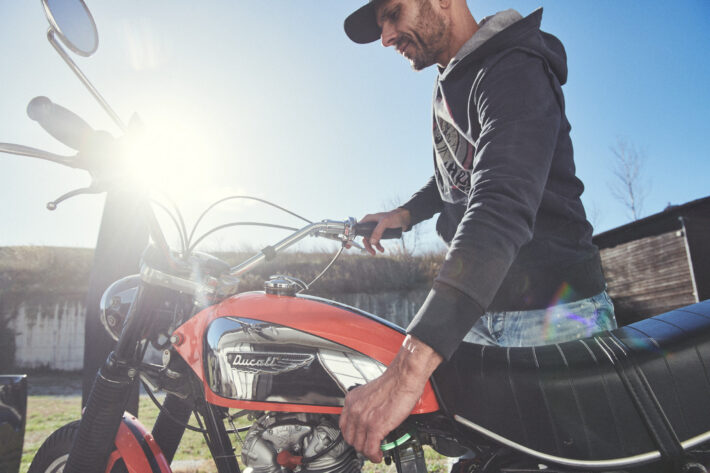
Why motorcycle safety matters in summer
From busier roads to changing surfaces, riding in summer brings a range of challenges:
- Increased traffic: Roads get busier in summer, with more tourists, cyclists, and pedestrians sharing the same space. In particular, congestion around coastal roads and rural routes can be significant.
- Heat-related fatigue: Riding in high temperatures can take a physical toll. Heat may cause tiredness and reduce concentration faster than many riders may realise.
- Dehydration risks: Sweating under riding gear means fluid loss can build up quickly, especially on longer rides.
- Road surface changes: Tarmac can soften in extreme heat, and tar bleeding may make road markings and repairs slippery. Summer also often brings more road works and loose gravel.
- Higher speeds and longer rides: Summer encourages longer journeys, which may increase exposure to all of the above risks.
- More vulnerable road users: Typically, more cyclists and pedestrians are on the roads during summer, so extra vigilance can help to keep everyone safer.
Summer motorcycle gear for safety
Suitable summer motorcycle gear involves a balance between comfort and safety.
Helmets
A well-ventilated full-face helmet is worth considering for summer riding. Look for models with anti-fog visors to handle temperature changes between early mornings and midday heat. A tinted or sun-blocking visor can help manage glare, particularly during morning and evening rides when the sun sits low.
Jackets and trousers
Mesh or ventilated textile jackets with CE-rated armour can offer airflow without sacrificing protection. It’s worth resisting the temptation to ride in a t-shirt or shorts, even in high temperatures. A single fall at low speed can cause significant injuries without the right gear. Lighter-coloured clothing can help reflect heat rather than absorb it.
Gloves
Summer-weight motorcycle gloves with knuckle protection and breathable materials can help maintain grip and keep hands comfortable without overheating.
Boots
Ventilated motorcycle boots are available for summer riding, but ankle protection remains important regardless of the temperature.
Additional considerations
- A hydration pack or CamelBak-style system can make it easier to drink on the move
- Moisture-wicking base layers help manage sweat under gear
- Sunscreen applied to exposed skin (neck, wrists) can prevent burning during longer rides
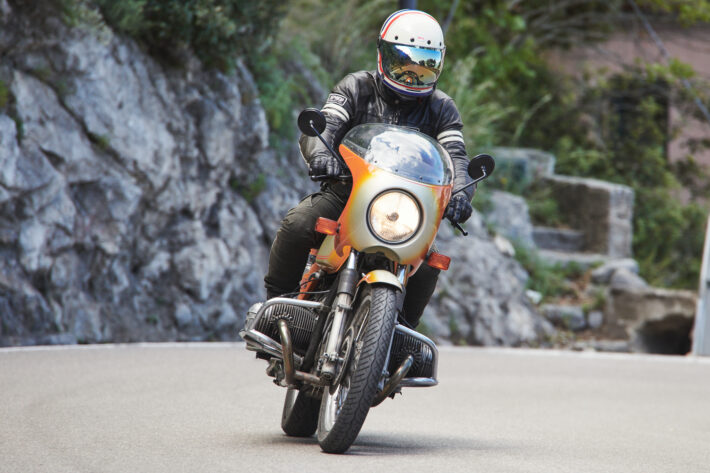
Managing hydration and heat on summer rides
Riding in hot weather places additional demands on your body, and dehydration can quickly affect your concentration and reaction times. A few practical strategies can help you stay safe and comfortable:
- Drink regularly throughout your journey: Hydrate before you set off, during stops, and after your ride. Carry water bottles or a hydration pack to make this easier
- Plan breaks every 60 to 90 minutes on longer journeys to hydrate, cool down, and allow your concentration to reset
- Recognise the early warning signs: Dizziness, dull headaches, fatigue, nausea, weakness, and confusion can all indicate that you need to stop and rest
- Try to avoid riding between noon and 3pm, when temperatures tend to peak, and consider shortening your route in extreme heat
- Cool yourself actively at stops: Dampen your base layer or shirt to help lower your body temperature, and don’t rush your breaks. Remounting before you’ve properly cooled down may reduce their benefit
- Limit caffeine before riding, as it can contribute to fluid loss
- Consider electrolyte supplements on very long rides in hot weather to replace what’s lost through sweat.
Try not to push through discomfort. Heat exhaustion can develop gradually, so listening to your body and acting on the signals early will help keep your ride safe and enjoyable.
Summer road hazards to watch out for
Summer brings many hazards you may not find in other seasons.
Melting tar and tar snakes
In extreme heat, tarmac can soften, reducing grip levels. Tar snakes (the black repair strips used to seal cracks in the road) can become especially slippery in high temperatures. Try to keep your bike as upright as possible when riding over them to maintain stability.
Loose gravel and debris
Summer often brings an increase in road works and resurfacing projects, which can leave loose gravel at junctions and around bends. Keep an eye out for warning signs and approach corners with extra caution where fresh surface dressing has been laid.
Diesel spills
Diesel spills are a serious hazard for motorcyclists and are often more common around fuel stations and busy tourist routes during summer. Fresh diesel can be difficult to spot, so look out for a rainbow-like sheen on the road surface and avoid sudden braking if you encounter it.
Wildlife and insects
Wildlife activity tends to increase around dawn and dusk during the summer months, particularly on rural roads. Staying alert in low-light conditions can give you more time to react. Insects can also become a distraction at speed, so a clean, well-fitting visor is important for maintaining clear vision.
Sun glare
Low sun during early morning and evening rides can dramatically reduce visibility for both you and other road users. Keeping your visor clean, wearing appropriate eye protection, and positioning yourself clearly within the lane can help you stay visible.
Increased traffic
Popular rural and coastal routes often become much busier during summer, bringing heavier traffic and more unfamiliar drivers onto the roads. Give yourself extra space, stay patient in congestion, and take extra care when filtering. Setting off earlier in the day can also help you avoid the busiest period.
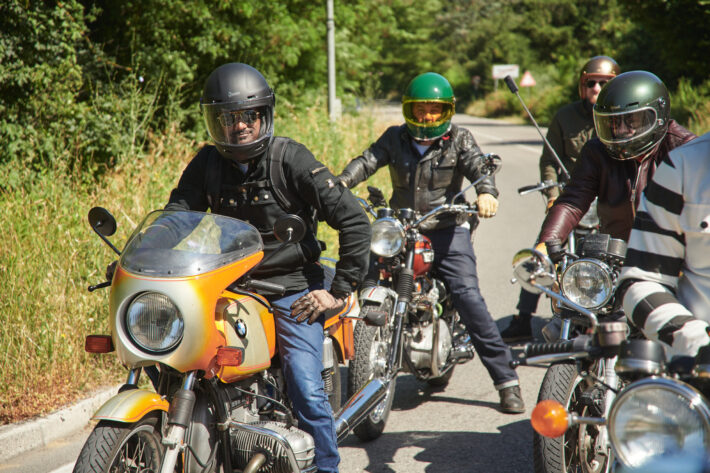
Planning safe summer motorcycle trips
Good preparation before you set off can often make a meaningful difference to how a ride goes, especially on longer summer journeys.
- Check the weather forecast before you leave, particularly for storms and extreme heat later in the day
- Plan rest stops in advance, looking for locations with shade and facilities
- Let someone know your route and expected return time
- Pack basic emergency supplies: water, a small toolkit, and a fully charged phone
- Check your bike thoroughly before departure, including tyre pressure, fluid levels, lights, and brakes
- Starting early in the day may help you avoid peak heat and traffic
- Build in flexibility so you can adjust your plans if conditions change
Keep you and your bike protected this summer with Devitt
While suitable summer gear can help to keep you safe, there are other things to consider too. One of which is motorbike insurance.
From daily commutes to multi-week touring trips, motorbike insurance helps to protect you from the risks you may face as a motorcycle rider, such as theft, damage or a breakdown. Without a suitable policy in place, you could face significant costs if something goes wrong.
At Devitt, we’ve been providing motorbike insurance for over 90 years, so we’re well-placed to try to help riders find a policy that meets with what they’re looking for.
You can request a quote online or contact us to find out more about our range of motorbike insurance options.
Disclaimer: the sole purpose of this article is to provide guidance on the issues covered. This article is not intended to give legal advice, and, accordingly, it should not be relied upon. It should not be regarded as a comprehensive statement of the law and/or market practice in this area. We make no claims as to the completeness or accuracy of the information contained herein or in the links which were live at the date of publication.
You should not act upon (or should refrain from acting upon) information in this publication without first seeking specific legal and/or specialist advice. Arthur J. Gallagher Insurance Brokers Limited trading as Devitt accepts no liability for any inaccuracy, omission or mistake in this publication, nor will we be responsible for any loss which may be suffered as a result of any person relying on the information contained herein.