

When properly maintained, motorcycle leathers are an investment in your comfort, durability, and personal safety as a rider. Learning how to clean your motorcycle leathers correctly and building this into a consistent routine may help you preserve their appearance and quality, in turn helping them to perform as intended.
Jackets, trousers, gloves, and one-piece suits generally call for similar care; however, you should double-check the manufacturer’s care instructions before cleaning, as products and materials may vary between garments. Where possible, use cleaning products that manufacturers have specifically formulated for leather and avoid general-purpose alternatives, as they may damage the leather.
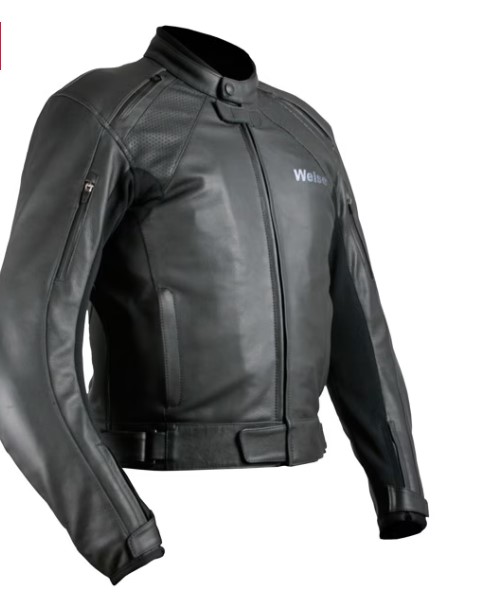
This article helps to explain how to clean motorcycle leathers, selecting suitable cleaning products, caring for jackets, storing gear correctly, keeping the inside of your kit fresh, and more. For tips on keeping the motorcycle itself in good condition, see our guide to motorcycle cleaning.
Why Motorcycle Leather Needs Regular Care
Motorcycle leathers are exposed to a lot over time, spanning from rain and UV to road grime, sweat, and general wear and tear. Exposure to these elements may alter the appearance, comfort, and longevity of the leather if they aren’t addressed, which is why cleaning motorcycle leathers regularly should be part of every rider’s routine.
Regular leather cleaning supports:
- The removal of dirt, insects, road salt, and other contaminants before they damage the leather.
- Preventing the leather from drying out, stiffening, or cracking over time.
- Helping preserve flexibility, comfort, and protective performance.
- Maintaining the leather’s appearance for longer.
- An opportunity to inspect your riding gear for damage or excessive wear.
When riders carry out regular maintenance correctly, they can help to extend the lifespan of their motorcycle leathers, helping to offer peace of mind that your gear remains protective and comfortable to wear.
What You Can Use to Clean Motorcycle Leathers
Before you begin cleaning your motorcycle leathers, it helps to have a variety of suitable products and equipment to hand. Where possible, use cleaning products designed specifically for leather and avoid general-purpose alternatives, as
Whether you’re starting fresh or building your existing collection, a typical motorcycle leather cleaning kit should consist of:
- A motorcycle leather cleaner formulated to lift dirt, sweat, and grime without stripping the leather’s natural oils.
- A leather conditioner or feed that helps to replace any lost moisture and sustains its supple nature.
- A soft microfibre cloth for applying products and buffing the leather afterwards.
- A soft-bristled brush that’s very useful for reaching seams, stitching, textured, and awkward-to-reach areas.
- A padded hanger for drying.
If you’re new to cleaning and maintaining leather garments, the process can feel a little daunting, particularly when you’ve invested in protective motorcycle gear and want to keep it in the best possible condition. One way to reduce the time spent cleaning while making the process as straightforward as possible is to purchase a motorcycle leather cleaning kit, which brings together most of what riders need to clean motorcycle leathers in one go.
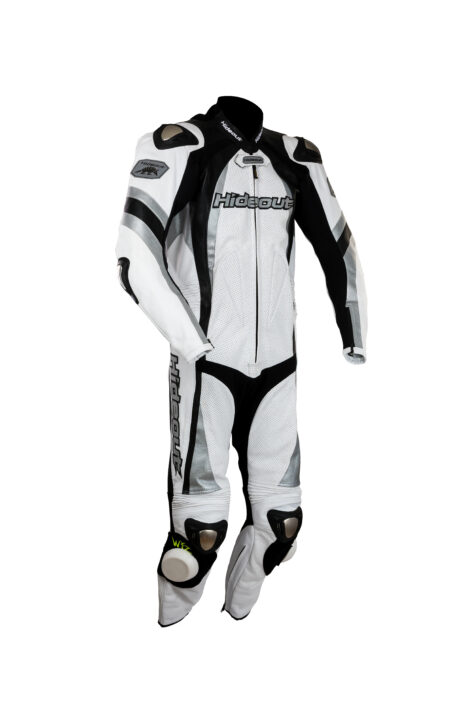
Leather cleaning kits generally consist of all the products you might need. If you’re building your own cleaning kit from scratch, make sure that each product is suitable for the specific type of leather your gear is made from, as treatments vary between smooth, suede, and perforated leather. Avoid using household detergents, bleach, solvents, or abrasive brushes.
When using a new cleaning product for the first time or caring for a new leather garment, always test it on an inconspicuous area first. This allows you to assess the leather’s reaction before treating the entire item.
How to Clean Motorcycle Leathers
Our simple, step-by-step approach can help you keep your motorcycle leathers in good condition without risking damage to the material. Whether you’re working through a full, head-to-toe clean or a quick refresh between rides, the same core process applies to most types of leather riding gear, broadly following the three phases of leather motorcycle gear care.
Here’s a simple routine to clean your motorcycle leathers:
- Remove loose dirt and dust with a soft cloth before applying any products.
- Wipe the leather with a slightly damp cloth to lift surface grime.
- Apply a motorcycle-specific leather cleaner while following the manufacturer’s instructions.
- Gently clean the leather using small circular motions. Avoid aggressive scrubbing.
- Leave the leather to air dry before conditioning.
Be aware that using too much water during cleaning may affect the leather’s finish over time, so a light touch is recommended throughout each step. Many riders find that having a motorcycle leather cleaning kit to hand, bringing together the products they need in one collection, makes cleaning a lot more straightforward.
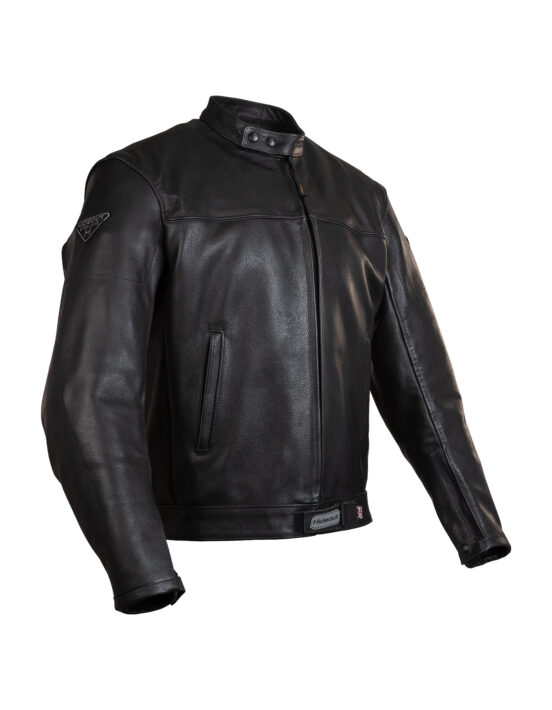
Remember, manufacturer care instructions should always take priority over general guidance, as leather types and finishes vary by garment and brand.
How to Clean a Motorcycle Leather Jacket
Leather riding jackets face significant wear, with the torso exposed to wind, weather, dirt, and insects throughout a ride. Knowing how to clean a motorcycle leather jacket properly can help you to keep it looking and performing well, ride after ride.
When cleaning a leather jacket, pay particular attention to:
- The collar, cuffs, sleeves, and shoulders where dirt and grime commonly build up.
- Insect residue should be removed gently to avoid damaging the leather underneath; for tougher, stubborn stains, a specialist leather cleaner applied directly and worked in gently is usually more effective than scrubbing.
- Zips, fastenings, and seams have small gaps between stitching and teeth where dirt gets trapped. This is where soft-bristled brushes come in handy.
Avoid soaking padded or reinforced areas, such as shoulder and elbow armour pockets, as excess moisture might affect the padding or stitching underneath. A light, controlled application of cleaner is generally suitable for these areas.
The same principles generally apply to leather trousers and one-piece suits, and riders should follow a similar approach when cleaning motorcycle leathers across their full kit.
How to Clean the Inside of Motorcycle Leathers
Don’t forget to clean the inside of your motorcycle leathers, as through regular use, it collects sweat, body oils, and odours. Knowing how to clean the inside of your motorcycle leathers correctly can help to keep your gear fresh and comfortable to wear.
Before starting, check whether the garment has a removable lining:
- If the garment has a removable lining, follow the manufacturer’s washing instructions.
- If the garment has a fixed lining, carefully wipe it with a damp cloth where appropriate rather than washing the garment as a whole.
- Where recommended by the manufacturer, specialist products designed for riding gear interiors might help lift stubborn odours or residue.
Allow the inside of the garment to dry completely before wearing it or storing it. Over-wetting the internal lining may lead to lingering dampness, so a light, careful approach is recommended.
Should You Condition Motorcycle Leather?
As a final step after you clean motorcycle leathers, riders should condition their gear, as conditioning helps maintain the condition and quality of the leather.
Leather conditioning also aims to:
- Replenish natural oils lost through use and cleaning.
- Keep the leather looking supple and feeling flexible.
- Reduce the likelihood of cracking and premature ageing.
- Maintain the leather’s overall appearance for longer.
Applying too much conditioner might over-soften the leather or leave a residue behind, so try to apply an even, thin layer.
As with cleaning, it’s a good idea to check the manufacturer’s guidance before conditioning, and some leather finishes may require specific conditioning products.
How to Dry Motorcycle Leathers Properly
Drying may seem straightforward, but doing it incorrectly may cause lasting damage, so you may wish to adopt a careful approach to help protect your leather gear’s shape, flexibility, and finish.
To dry your motorcycle leathers correctly, you should:
- Allow the leather to dry naturally at room temperature.
- Hang garments using a suitable clothes hanger to maintain their shape.
- Keep your leathers away from radiators, tumble dryers, and direct sunlight.
- Make sure they’re completely dry before conditioning or storing them.
Excessive heat may cause the leather to shrink, dry out, or crack, so patience at this stage should pay off. A well-ventilated room away from direct heat sources is a good place for leathers to dry.
How to Store Motorcycle Leathers
Knowing how to store your motorcycle leathers is just as important as how you clean motorcycle leathers. Building good habits should help you maintain their condition in between rides.
Here are a few habits worth adopting:
- Try to hang your leathers on a wide, padded hanger. Doing so should help the jacket to keep its shape instead of creasing.
- Store them somewhere cool, dry, well-ventilated, and away from direct sunlight. Prolonged heat and UV exposure might cause the leather to dry out and fade in colour over time.
- Store it in a breathable garment bag or cover rather than a sealed plastic bag. This should help protect against dust.
- Make sure your leathers are completely dry before storing them. Packing damp leather may lead to mould or a musty smell developing.
- Keep your leathers away from radiators and other direct heat sources, even when drying them out after a wet ride.
How Often Should You Clean Motorcycle Leathers?
There’s no fixed schedule for how often you should clean motorcycle leathers. It largely depends on how often you ride and the conditions in which you’re riding. As a general guide, though, here’s how to keep your leathers in good condition:
- Spot clean dirt, insects, and road grime after rides.
- Increase cleaning frequency during winter, or after riding in wet or muddy conditions.
- Periodically deep clean your leathers throughout riding season. Broadly speaking, riding season in the UK is from March to October.
- Condition your leathers every three to six months, or sooner if you notice signs of cracking or drying.
As a final measure, regularly inspect your leathers for signs of wear, damage, or loose stitching. Catching these early should help you to address them before they become issues that could affect your safety while riding.
Protect Your Bike and Your Riding Gear with Motorcycle Insurance from Devitt
Looking after your leathers is one part of protecting your investment as a rider, and your wider motorcycle cover matters too. Devitt offers insurance cover for a variety of riders, whether you’re on a new, classic, or modified motorcycle, and our policies may also include cover for your riding gear, subject to policy terms and limits.
From choosing suitable products to cleaning, drying, and storing your gear correctly, caring for your motorcycle leathers can help keep them looking and performing well for years to come. Building regular cleaning and maintenance into your routine, rather than waiting until your leathers show signs of wear, can help extend their lifespan and help to keep you comfortable and protected out on the road.
Devitt has been helping riders with their motorbike insurance needs for over 90 years. Explore motorbike insurance options with Devitt or contact our team who will look to help find you a suitable quote for your needs.
Disclaimer: the sole purpose of this article is to provide guidance on the issues covered. This article is not intended to give legal advice, and, accordingly, it should not be relied upon. It should not be regarded as a comprehensive statement of the law and/or market practice in this area. We make no claims as to the completeness or accuracy of the information contained herein or in the links which were live at the date of publication.
You should not act upon (or should refrain from acting upon) information in this publication without first seeking specific legal and/or specialist advice. Arthur J. Gallagher Insurance Brokers Limited trading as Devitt accepts no liability for any inaccuracy, omission or mistake in this publication, nor will we be responsible for any loss which may be suffered as a result of any person relying on the information contained herein.