

Buying a motorcycle is a big decision, so it isn’t something to rush into. Take the time to really consider and weigh up your options before committing to buying one. Whether you’re looking to upgrade to a more powerful engine or choosing your first ever motorcycle, carefully considering your options should help you find a motorcycle that suits you.
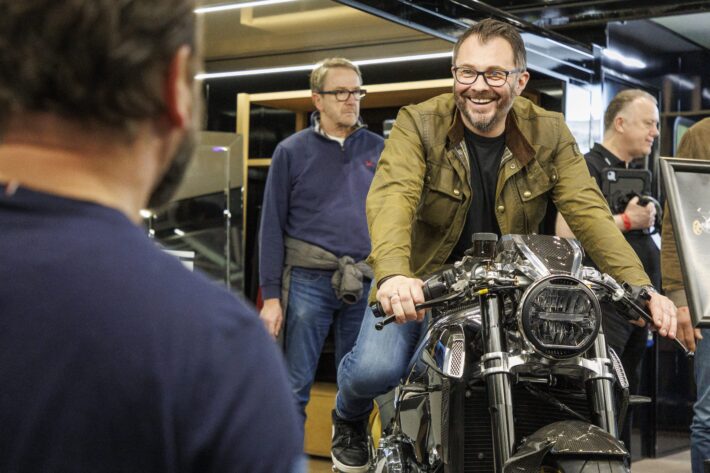
This motorcycle buying guide covers the key things you should consider, from working out what you need daily to understanding the different types of bikes available to you. Use the tips on buying a motorcycle throughout this guide to help you work out what matters most, from your riding needs to your budget and experience level.
Consider Your Biking Needs
Before you begin browsing motorcycle listings, it helps to think about how and where you’re planning to ride. Your riding needs inform which type of motorcycle suits you, since a motorcycle suited to leisurely weekend rides along country roads might not be fit for someone commuting through city traffic every day. You may wish to consider the following:
- Whether you’re riding mostly in urban areas, rural roads, or on motorways.
- Whether your journeys are typically short trips or longer distances.
- Whether you’re riding solo or carrying a partner or sibling as a passenger.
- Whether the motorcycle is your main form of transport or not.
- How often you plan to ride, and for what purposes, for example, sport riding, adventure touring, commuting, or off-road use.
Working through these considerations early in your motorcycle-buying journey should help you narrow down the engine size, features, and style of motorcycle that suit your needs, riding style, and lifestyle.
Choose a Bike That Fits
Once you’ve thought about how and where you’ll be riding, the next step in this motorcycle buying guide is making sure a specific bike suits you personally, physically, financially, and in terms of your skill level. Here are the main areas to think about:
Feeling Comfortable on the Motorcycle
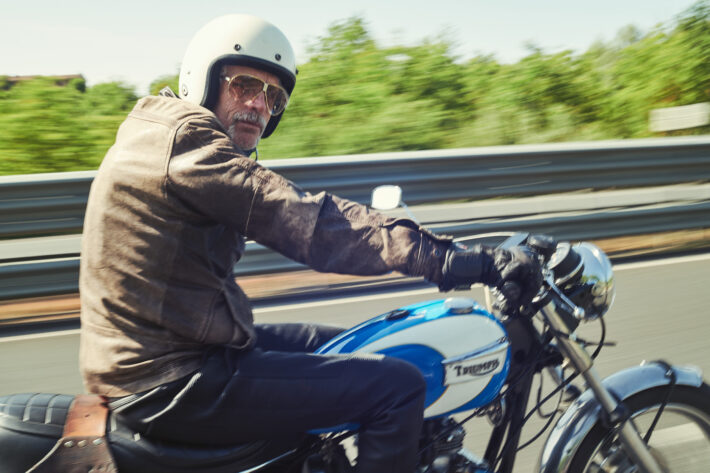
Comfort plays a big part in how confident you feel while riding. Sitting on the motorcycle and checking things like seat height, handlebar reach, and how easily your feet reach the ground may help you gauge whether a model is suitable for your build and riding style. A motorcycle that feels awkward from the start might not become more comfortable with time.
Colour, Size, and Model
Beyond the practical checks, choose a motorcycle you’re happy with in terms of colour, size, and model. You’ll likely spend a fair amount of time on it, so choosing one that suits your personal taste may help keep you motivated and satisfied.
Engine Size and Power
Engine size and power should reflect your experience level and licence category, along with the riding you’re planning to do. A larger, more powerful engine typically suits motorway journeys and longer distances, although it may affect the cost of your motorcycle insurance. In contrast, newer riders may find smaller engines more manageable for shorter distances.
Costs of Buying and Running a Motorcycle
The initial purchase price is only one part of the overall cost. Insurance, fuel, and ongoing maintenance all add up. Costs vary depending on the motorcycle’s engine size, age, and how it’s used, so you may wish to do your own research on the typical running costs for the models you’re considering.
Test Ride Different Models
If you can, test ride a couple of different models to help you compare how each one handles and feels before you buy. Doing so should shed light on differences that aren’t so obvious from photos or specs alone, such as how it responds at low speeds or how the riding position feels over longer periods.
What Are the Different Types of Motorcycles?
No motorcycle buying guide would be complete without covering the main types of motorcycles available to you.
Sport Motorcycles
Manufacturers build sport motorcycles for speed and agility, with an aggressive, forward-leaning riding position and a lightweight frame. They tend to suit riders who prefer a more dynamic riding style, though the riding position may feel less comfortable over longer distances.
Cruisers
Cruisers offer a low seat height and a relaxed riding position, with the focus on style and comfort over speed. They’re a popular choice for long, easy rides where comfort takes priority.
Standard Motorcycles
Standard motorcycles, sometimes called naked bikes or roadsters, are versatile, no-frills machines with an upright seating position and minimal bodywork. They’re well-suited to everyday riding and commuting, making them a practical option for riders who want a motorcycle that’s able to handle a variety of journeys.
Touring Motorcycles
Manufacturers design touring motorcycles for long-distance comfort, featuring large fairings, ample storage, and upright ergonomics. They’re built for extended trips, so riders are able to carry what they need without sacrificing comfort.
Adventure Motorcycles
Adventure motorcycles are built to handle both paved roads and off-road terrain, with rugged suspension and a more upright stance. They suit riders who want the flexibility to move between different road surfaces and conditions.
Off-Road Dirt Bikes
Off-road dirt bikes are lightweight and built purely for unpaved trails and rough terrain. In most cases, they’re not road-legal, so they suit riders who plan to use their bike exclusively off-road.
Classic Motorcycles
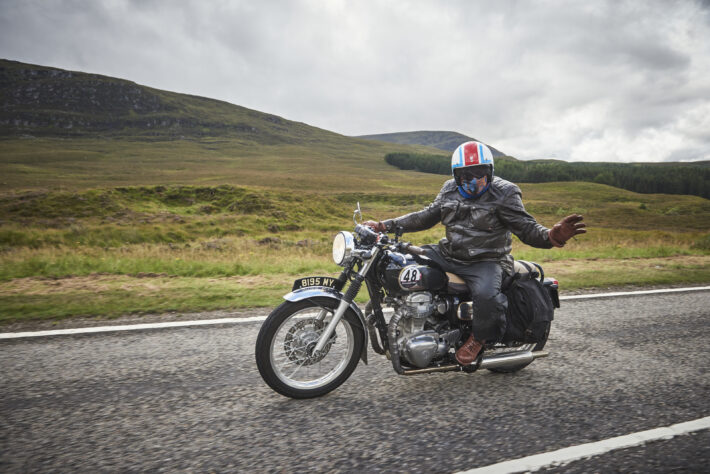
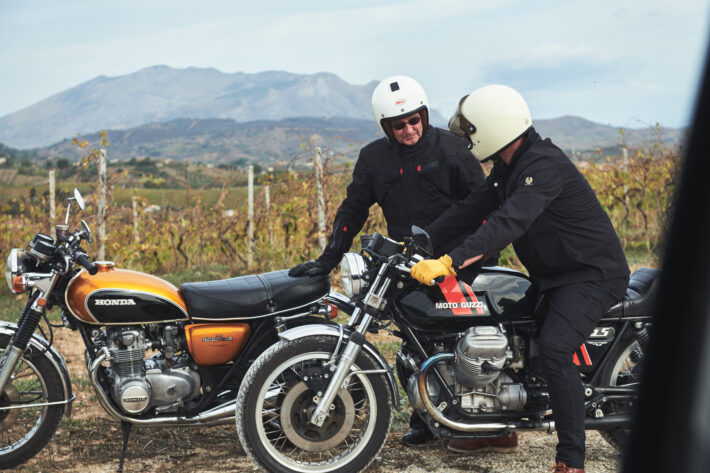
Classic motorcycles encompass both true vintage models and newer bikes with retro-inspired designs. They appeal to riders who value character and styling over cutting-edge performance. Given the nature of classic motorcycles, they often benefit from classic insurance that reflects their age, rarity, or value.
Scooters and Mopeds
Scooters and mopeds are lightweight, often automatic, and built with ease of use in mind. With smaller engines and a step-through design, they tend to suit shorter journeys and city riding, making them a popular choice for commuters and newer riders alike. It’s worth checking that your scooter or moped has suitable cover in place before you ride.
Don’t Overestimate Yourself (or Underestimate the Motorcycle)
It’s all too easy to get excited by the prospects of a powerful motorcycle. Still, a powerful motorcycle needs a powerful rider, and it’s perfectly okay if you’re not there yet (seriously, there’s no shame). Choosing a motorcycle with far more performance than you’re able to comfortably handle may leave you struggling to control it, turning what should be an exciting purchase into a wasted one.
Building up your skills and experience over time should help you work towards a more powerful motorcycle when you’re ready. For now, it’s worth taking the time to consider what level of power suits your current experience. If you’re not extremely experienced, you may want to stay away from anything with an engine larger than 600cc. As your confidence and skills develop, you may look at a faster, more powerful motorcycle.
If this is your first motorcycle, or you’re still building your experience, a second-hand motorcycle is a good way to begin. Used motorcycles tend to cost less upfront, meaning there’s less financial pressure if they pick up a scuff or two while you’re learning. That said, a second-hand motorcycle might not come with a warranty, and its condition may vary depending on how the previous owner looked after it. Before you buy, consider having it properly inspected by someone with strong knowledge of motorcycles.
Buy a Motorcycle You Love
This may sound like the opposite of the above points, but it is important to buy a motorcycle you love and are excited to ride. People buy motorcycles because they want them, rarely because they need them. So, be sure to buy one you actually want, and make sure it meets the above criteria and fits within your budget for now and the future. It should feel safe, sensible, and still enjoyable to ride. If you’ve found a motorcycle that fits you, offers a suitable amount of power, and makes you excited to get out on the road, it’s a strong sign you’ve found the one.
Once you’ve chosen your motorcycle, it’s wise to sort the essentials before you start riding, including finding suitable motorcycle insurance. Getting cover in place early can help you avoid delays once you’re ready to hit the road, so it’s helpful to research your options as soon as you’ve settled on a motorcycle.
What to Remember Before You Buy a Motorcycle
This checklist doubles as a motorcycle buying guide for beginners who want a quick recap before making a purchase. Here’s a quick summary of what to remember before you make the jump and purchase a new motorcycle:
- Think about your biking needs, including where and how often you plan to ride.
- Choose a bike that fits you in terms of comfort, engine size, and power.
- Factor in the full running costs, including insurance, fuel, and maintenance.
- Test ride a few different models before you make a final decision.
- Be realistic about your experience level and consider a second-hand bike if it’s your first.
- Buy a bike you’re genuinely excited about, within your budget.
- Get suitable motorbike insurance sorted before you start riding.
With over 90 years in the insurance industry, Devitt’s specialism is in helping riders find cover that suits their motorcycle, their experience, and the way they ride. Once you’ve found the motorcycle you love, explore our motorcycle insurance options and get a quote to help you get road-ready.
Disclaimer: The sole purpose of this article is to provide guidance on the issues covered. This article is not intended to give legal advice, and, accordingly, it should not be relied upon. It should not be regarded as a comprehensive statement of the law and/or market practice in this area. We make no claims as to the completeness or accuracy of the information contained herein or in the links which were live at the date of publication.
You should not act upon (or should refrain from acting upon) information in this publication without first seeking specific legal and/or specialist advice. Arthur J. Gallagher Insurance Brokers Limited trading as Devitt accepts no liability for any inaccuracy, omission or mistake in this publication, nor will we be responsible for any loss which may be suffered as a result of any person relying on the information contained herein.