
It’s more than 30 years since the first Ducati Monster hit the streets. And while the modern Monster is nowhere near as successful and popular as the 1993 original, it’s still an important bike for Ducati.
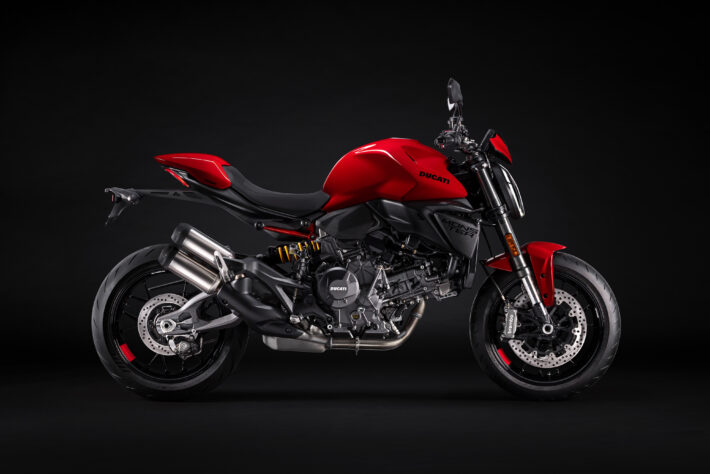
Which makes this 2026 update more than worthy of a proper look. It’s the fifth generation Monster, and makes use of Ducati’s next-generation V-twin engine, the 890cc unit launched last year on the V2 Multistrada, Panigale and Streetfighter models.
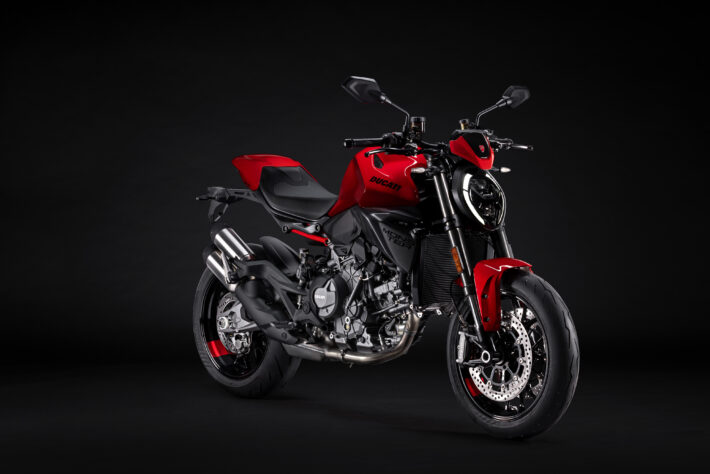
It’s an all-new motor, with conventional valve gear instead of the traditional Ducati desmodromic setup, and is lighter and more compact than before, but also down on power. The Monster uses the low-output variant of the eight-valve DOHC 90° V-twin, making around 111bhp at 9,000rpm and 91.1Nm peak torque.
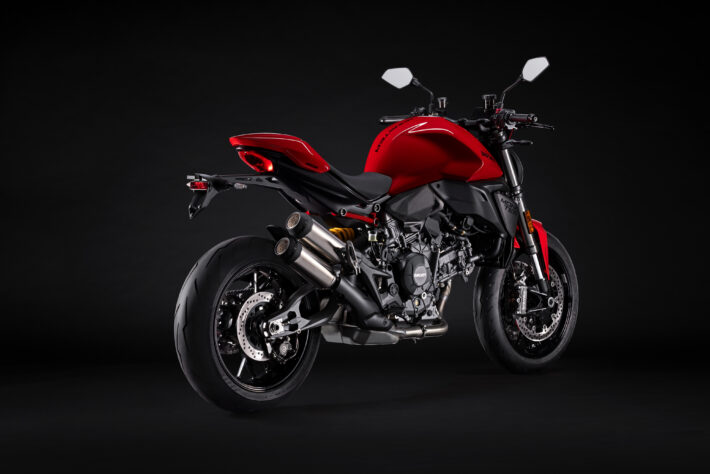
That’s pretty much the same output as the 937cc engine on the previous generation bike, though the 2026 bike is a bit lighter overall with 4kg shaved off the mass. The standard exhaust is quite pretty: a dual-can silencer on a two-into-one unit, which will no doubt be fairly quiet, but with a distinct Ducati rort you’d hope.
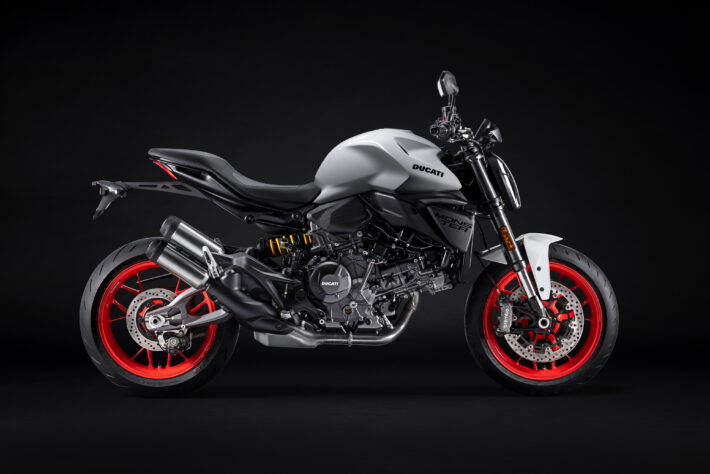
Chassis-wise, the basics are a monocoque-type cast aluminium main frame mounted to the engine, which doesn’t have quite the same evocative style and looks of the old steel tube trellis units which the first Monster made famous. But it’s a lighter, sharper design, which optimises the handling package.
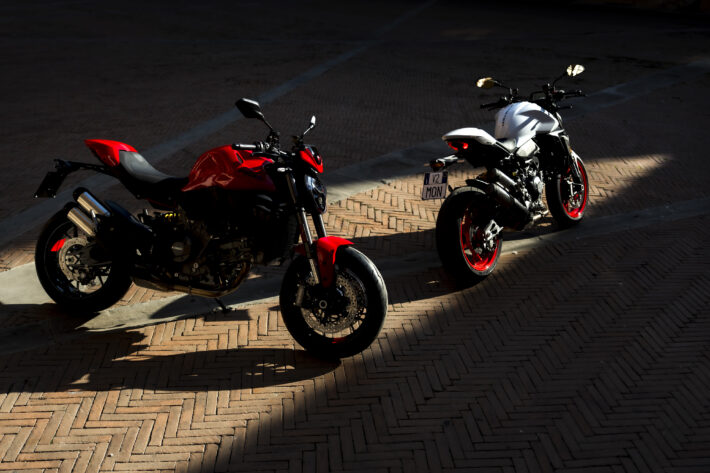
Out back there’s a new dual-sided swingarm design, that looks just like the ‘hollow’ lightweight unit on the new Panigale superbikes, which operates a Showa rear monoshock. That firm also provides the 43mm USD front fork, but perhaps surprisingly, there’s no damping adjustment either end in the spec listing, with manual preload adjustment on the shock the only possible tweak.
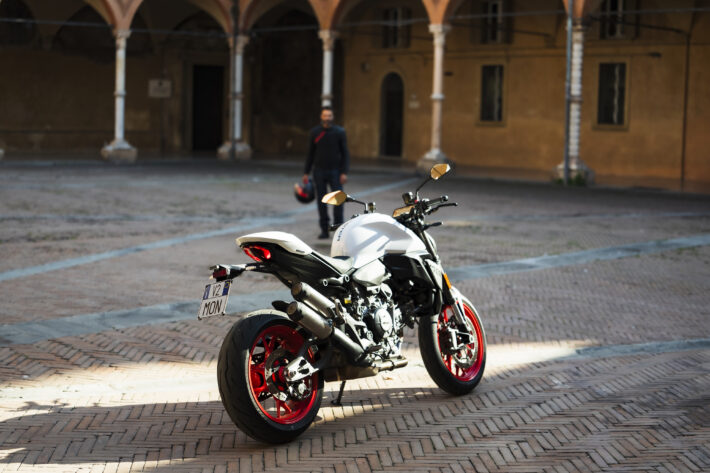
That’s a bit of a downgrade on previous models, and for a £12,000 bike we’d expect at least some damping adjusters on the back shock.
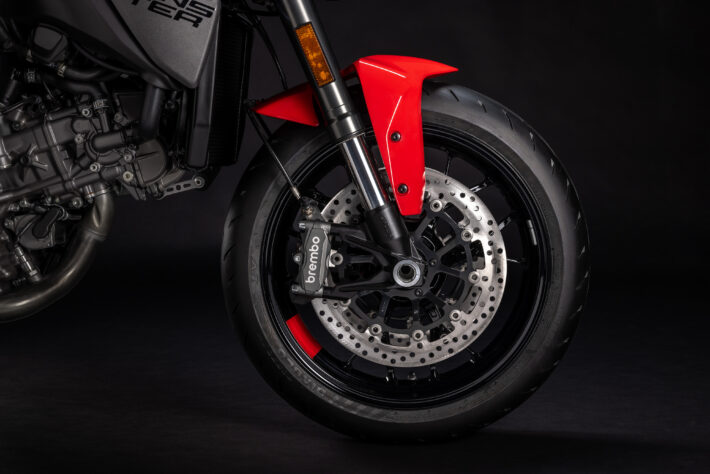
The brakes are solid enough on the tech side, though the Brembo setup uses older M4.32 radial four-piston calipers on the dual front 320mm discs but you do get a radial master cylinder.
Tyres are by Pirelli: the firm’s very good Diablo Rosso IV sporty road rubber fitment in supersports sizes: 120/70 17 front and 180/55 17 rear, mounted on new cast aluminium Y-spoke rims.
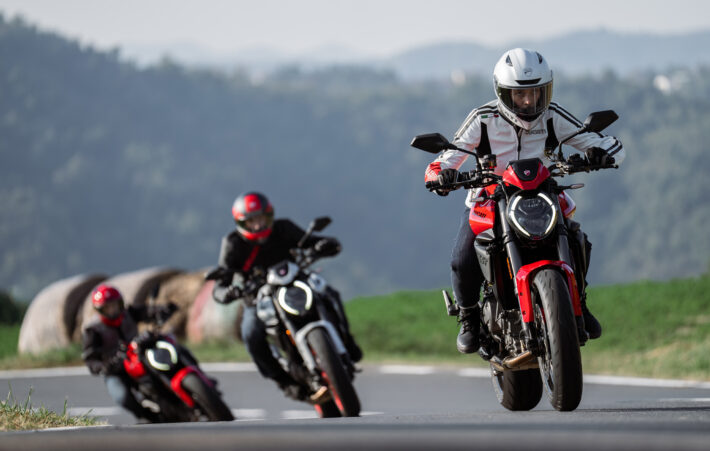
The new V2 engine, with its modern ride-by-wire engine management also lets Ducati fit the latest variants of its electronic rider aids, controlled by the fancier 5” colour LCD dashboard and new switchgear. You get cornering ABS, Ducati Traction Control (DTC), Ducati Wheelie Control (DWC), Ducati Quick Shift (DQS) 2.0 and Engine Brake Control (EBC) all available, customisable within four riding modes: Sport, Road, Urban and Wet.
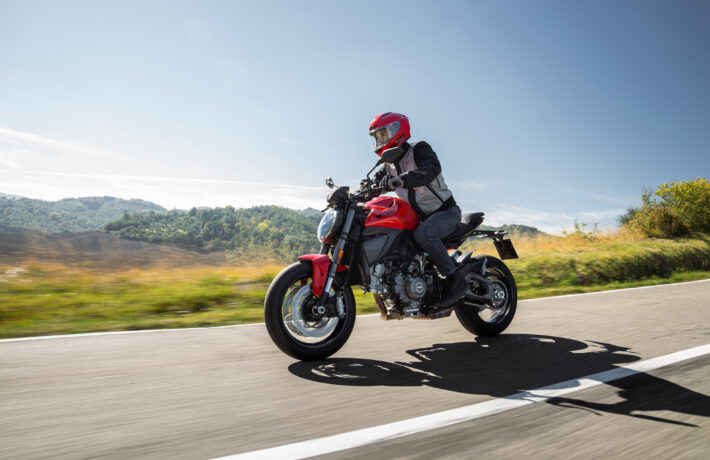
A solid enough update for the new Monster then, and with the next-generation V-twin engine, it has the latest in terms of electronics. It does seem to have been made a bit more user-friendly too, with a lower 815mm seat height, narrower saddle and a more relaxed riding position.
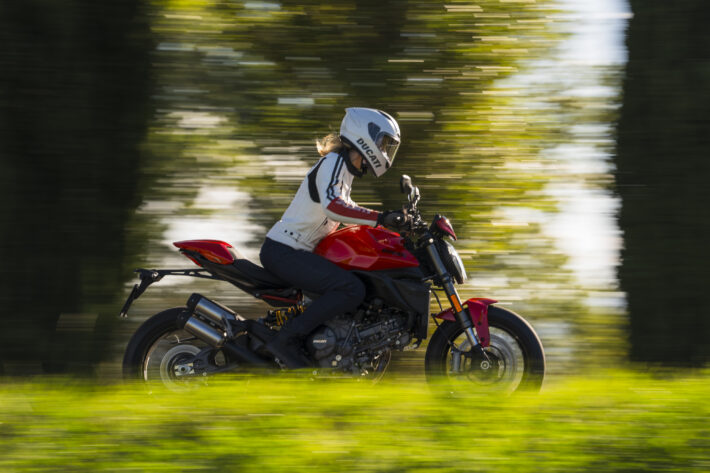
The lack of any suspension damping adjustment marks it down a little though, and we’re also a bit sad about the fuel tank: 14 litres is a miserly amount, even with the better fuel consumption on the new engine, and we’d prefer at least 16 litres in there. We’re still unsure where the benefit comes from here: finding another couple of litres of space shouldn’t be a problem you’d think, and with the weight figures given without fuel, it doesn’t even affect the spec sheet.
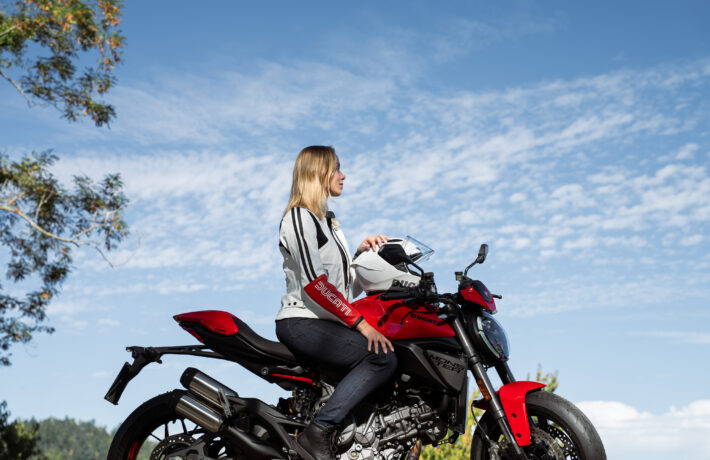
Ducati claims 5.2l/100km consumption figures, which gives around 165 miles of range, which is decent. In the real world though, if you use a big chunk of the engine performance regularly, you’ll be looking for a fuel station much sooner than that we imagine.
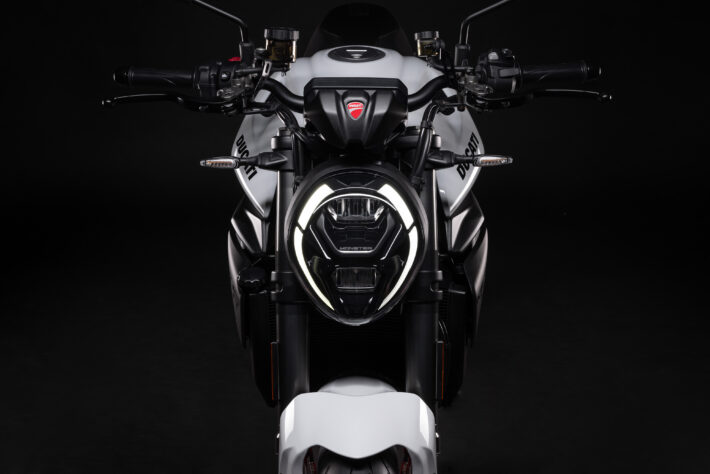
While we’re having a grumble, we also think the Monster design has lost its way a little over the years. The monocoque frame is hidden away, so the visible mechanics are dominated by the engine. That’s much neater than before, but still has hoses and wires on show, and is a little messy.
Overall though, the modern Monster feels more like a ‘regular’ roadster, comparable with competition from Japan and other European brands. The original Monster had a strong look all of its own, founded on the steel tube frame derived from the 851 superbike and a stronger visual identity.
The new bike looks nice enough, but doesn’t stand out like its ancestors.
Fancy one? The new Monster is out in February, priced at £11,995 or £12,295 for the Monster + with flyscreen and pillion seat cover. www.ducati.com for more info.
2026 Ducati Monster Tech Highlights
Colours
o Ducati Red
o Iceberg White
Main standard features
o V-twin engine, 890 cc
o Maximum power of 111 hp (110.7 for the US version) at 9,000 rpm
o Maximum torque of 91.1 Nm at 7,250 rpm
o Kerb weight without fuel: 175 kg (4 kg less than the previous model)
o Monocoque frame
o Showa 43 mm upside-down fork
o Showa monoshock with adjustable preload
o Braking system with Brembo calipers M4.32 and PR18/21 radial master cylinder
o Pirelli Diablo Rosso IV tyres, 120/70 and 180/55
o Latest-generation electronics package with 6-axis Inertial Measurement Unit (6D IMU): ABS with cornering functionality; Ducati Traction Control (DTC); Ducati Wheelie Control (DWC); Ducati Quick Shift (DQS) 2.0; Engine Brake Control (EBC).
o New petal-shaped joystick
o New 5″ full-TFT dashboard with 16:9 aspect ratio and 800 x 400 resolution
o Riding Modes (Sport, Road, Urban, Wet)
o Full-LED headlights with DRL and dynamic turn indicators (where homologated) o Ready for Ducati Multimedia System (DMS), turn-by-turn navigation, Cruise Control
o Monster Plus comes with standard flyscreen and pillion seat cowl
2026 Ducati Monster specs
Engine: Ducati V2 engine: 90° V2, 4 valves per cylinder, intake variable valves timing system, liquid cooled, 890cc
Bore x stroke 96mm x 61.5mm
Compression ratio: 13.1:1
Fuel injection: electronic fuel injection system, one injector per cylinder, ride-by-wire
Peak power: 111bhp (81.6kW)@9,000 rpm
Peak torque: 91.1Nm@7,250 rpm
Clutch: Hydraulically-controlled slipper wet clutch.
Frame: Aluminium monocoque frame
Front suspension: Showa 43mm USD fork, no adjustment
Rear suspension: Preload-adjustable Showa monoshock, aluminium double-sided swingarm.
Wheels: cast aluminium rims, 3.50 x 17 5.50 x 17
Tyres: Pirelli Diablo Rosso IV 120/70 17 180/55 17
Brakes: Dual 320mm semi-floating discs, radially mounted Brembo Monobloc M4.32 four-piston calipers (front), single 245mm disc, Brembo dual-piston caliper (rear). Cornering ABS.
Dash: Digital unit with 5″ TFT display
Kerb weight: 175kg (no fuel)
Seat height: 815standard, with high/low seat accessories can be 775mm
Wheelbase: 1,492mm
Rake/Trail: 23.3°/92mm
Fuel capacity: 14l (3 gallons)
Rider aids: Riding Modes, Power Modes, Ducati Traction Control (DTC), Ducati Wheelie Control (DWC), Engine Brake Control (EBC), Bosch Cornering ABS, Ducati Brake Light (DBL), Auto tyre calibration
Equipment: Ducati Quick Shift (DQS) up/down 2.0, Coming Home, TFT colour display, Full LED lighting system, Daytime Running Light (DRL), Dynamic turn indicators, Self cancelling turn indicators, Lap Timer
Warranty: 24 months, unlimited mileage
Service intervals: 12 months 15,000 km (9,000 mi), valve check 45,000 km (28,000 mi)
Emissions/consumption: Euro 5+ 120g/km 5.2l/100 km