

Whether you took a break from riding for family, work or other commitments, or stepped away after an accident, getting back on a bike can be both exciting and daunting. You might be returning after a few years or wondering what it’s like throwing a leg over again after 20 years.
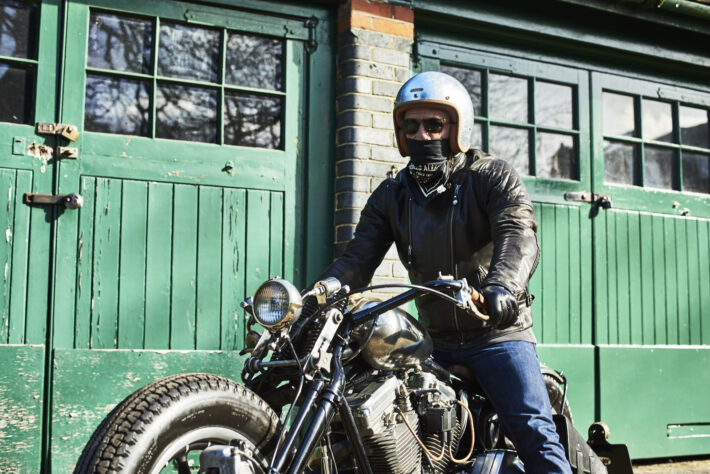
Whatever the reason, there’s no need to rush. Giving yourself time to refresh your skills, check your motorcycle and rebuild confidence can help make your return safer and more enjoyable, because, ironically, it’s not “just like riding a bike”.
Why Getting Back on the Bike Can Feel Daunting
Riding again after a break can feel unfamiliar, even if you’ve spent years in the saddle. Your reactions may feel rusty, traffic may seem busier, and modern motorcycles can have features you’ve never used before.
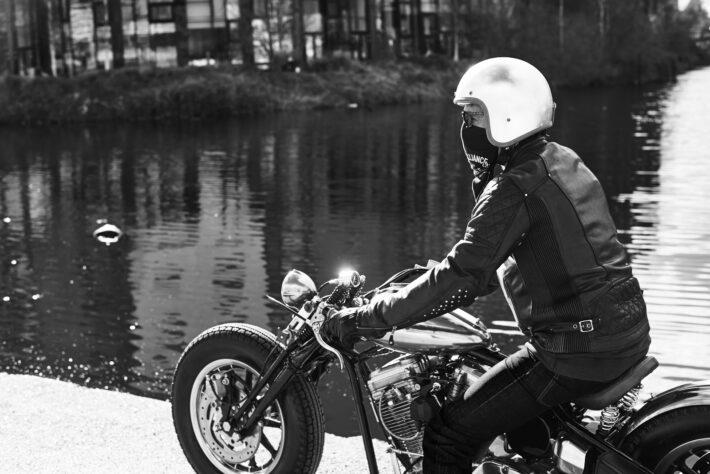
If you’re returning after a crash, anxiety can add another layer of difficulty. It’s normal to feel hesitant, but you don’t have to tackle everything at once. Preparation, refresher training and shorter rides can help you regain confidence gradually.
Getting Back on a Bike After 20 Years: What’s Changed?
A lot’s changed since the turn of the century. Before setting off, take time to brush up on the differences.
Bikes and technology
Modern bikes have features such as anti-lock braking systems (ABS), traction control and selectable riding modes. These can support safer riding, but they don’t replace good observation, judgement or braking technique.
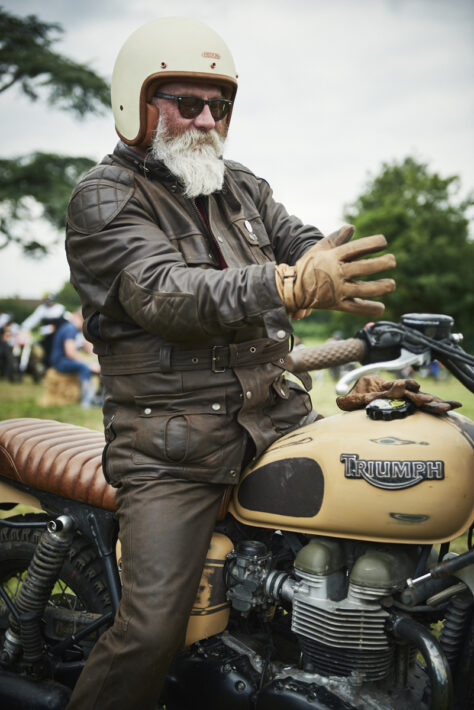
Read your owner’s manual and familiarise yourself with your bike’s controls before riding on the road.
Riding Kit and Protective Gear
Whole garments are certified now, not just the pads. Check your helmet, jacket, trousers, gloves and boots before your first ride. Look for wear and tear, damage, compromised fastenings and ageing protective materials. Replace anything that no longer fits properly or offers reliable protection.
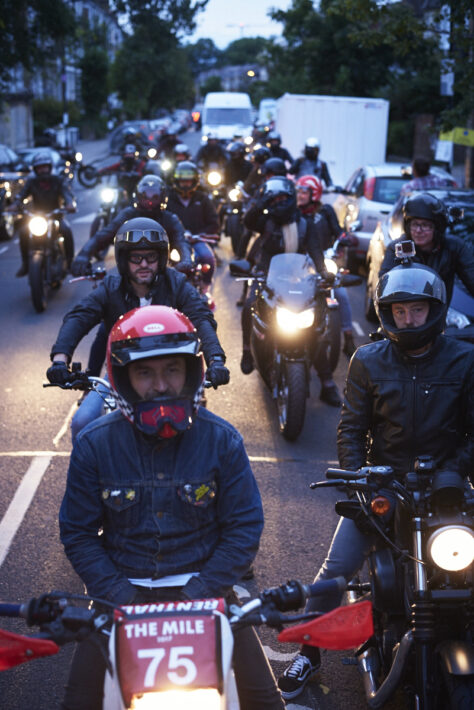
Choose suitable, well-fitting protective clothing designed for motorcycling, and make sure any protective equipment meets the relevant standards. If your helmet’s been involved in a crash or sustained a significant impact, replace it even if the damage isn’t obvious.
Roads and Rules
The Highway Code’s changed over the years, including updates introduced in January 2022 that established a clearer hierarchy of road users and emphasised the greater responsibility of those who can cause the most harm.
There’s more traffic on the roads, plus the added distraction of drivers using their mobile phones.
Refresh your knowledge before riding by reviewing the changes in the Highway Code guidance on GOV.UK.
Checking Your Licence
Make sure your licence still covers the motorcycle you intend to ride. Licence categories and restrictions matter, particularly if you passed your test many years ago or plan to ride a different type of bike.
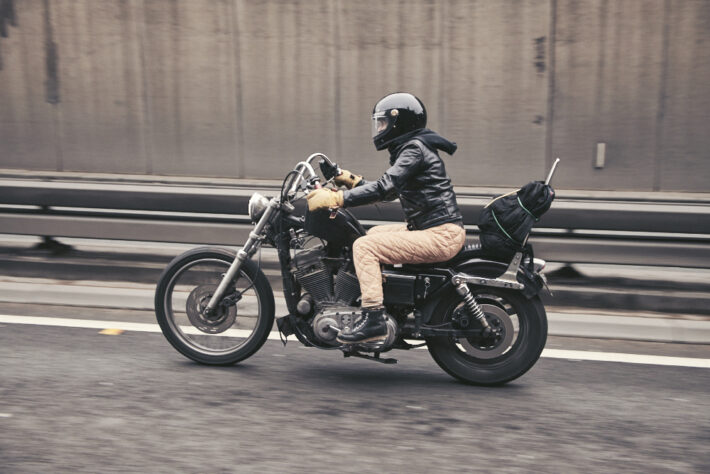
A photocard licence generally needs renewing every 10 years, but renewing the card is different from renewing your riding entitlement. Check your details and renew your driving licence if necessary.
If you’re relying on a Compulsory Basic Training (CBT) certificate rather than a full motorcycle licence, remember that it generally lasts for two years. Check the official CBT guidance to understand what applies to you.
How to Prepare for Getting Back on the Bike
A little preparation goes a long way and can make your first ride feel much more manageable.
Be Honest About Your Skills and Fitness
Think about what you might have lost through lack of practice. Low-speed manoeuvres, emergency braking, cornering and judging gaps in traffic may all need refreshing.
Consider whether your strength, flexibility, balance or eyesight has changed, too. If you’re unsure about your vision, arrange an eye test and check the government’s eyesight rules. You must meet the required standards to ride legally.
Take a Refresher or Advanced Riding Course
Local riding schools offer refresher or advanced lessons. Professional training can help you brush up on skills, rebuild good habits and identify areas that need work. A qualified instructor can tailor sessions to your experience and confidence.
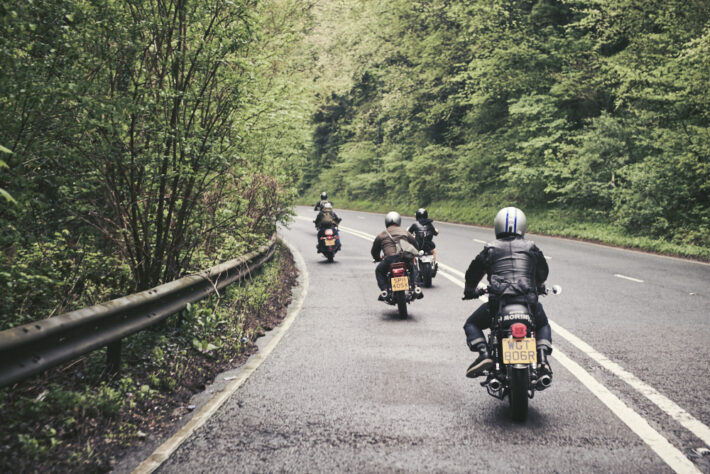
You could also look into BikeSafe, a police-led workshop that helps motorcyclists develop their riding skills and awareness. Training is always worth considering whether you’re returning after a short break or decades spent away.
Choose the Right Bike for Your Return
Your old bike might no longer be the best fit. Consider its weight, seat height, riding position and power, as well as how comfortable you feel manoeuvring it at low speed.
You don’t need the biggest or fastest motorcycle to enjoy riding again. If possible, try a suitable bike before committing to a purchase, and give yourself time to get used to its handling and controls.
Invest in Proper Riding Gear
Put simply, good kit boosts confidence. Make sure you have a helmet, jacket, trousers, gloves, boots, back protector, and hi-vis or bright gear.
Sort Out Your Motorcycle Insurance
Before heading out, you need suitable motorcycle insurance in place. Tell your insurer about relevant changes, including your motorcycle, riding experience and circumstances. Your previous no claims discount (NCD) may not remain valid indefinitely, so check what evidence is required if you want to use it.
Explore motorcycle insurance with Devitt to learn more about the cover available and what to consider when arranging a policy.
Give Your Bike a Thorough Check
Don’t assume your bike is road-ready just because it was in good condition when you last took it out. If it’s been stored for months or years, inspect it carefully before use, and don’t forget the POWDER and T-CLOCS checklist.
Check:
- Tyres: Look for damage, cracks, wear and correct pressures.
- Brakes: Check their operation and look for signs of wear or leaks.
- Chain: Check its condition, tension and lubrication, where applicable.
- Lights and indicators: Make sure they work correctly.
- Fluids and battery: Check the relevant levels and condition, following the manufacturer’s instructions.
- MOT and tax: Confirm that the motorcycle meets the legal requirements for road use.
If you’re unsure about its condition, ask a qualified mechanic to inspect it. A professional check can identify issues that aren’t immediately obvious.
Getting Back on the Bike After a Crash
Returning after an accident can, understandably, take more than getting your bike repaired. Your physical recovery, confidence and sense of safety all matter.
Let Your Body Heal
Don’t ride until you’re physically ready and able to control the motorcycle safely. Get medical clearance, particularly if you’ve suffered injuries affecting your movement, concentration, balance or reaction time.
Some medical conditions must be reported to the DVLA. Check the official guidance on health conditions and driving to understand whether the rules apply to you.
Recognise the Mental Impact
Feeling nervous, replaying the incident in your mind or hesitating in situations linked to the crash can be understandable responses. There’s no set timetable for feeling comfortable again.
Start with manageable steps, and don’t pressure yourself to ride in challenging conditions before you’re ready. If anxiety remains intense or starts affecting everyday life, consider speaking to a healthcare professional.
Replace Damaged Gear
Check your protective gear, too. Always replace a helmet after a crash or significant impact, and carefully inspect armour, leathers and gloves for damage that could compromise protection.
Have Your Bike Professionally Inspected
Even if your motorcycle looks fine, a crash can cause hidden damage to components such as the forks, wheels, frame or brakes. Arrange a professional inspection, if necessary, before riding again.
Start Small and Rebuild Slowly
Start with short rides. Choose a quiet route, daylight hours and kind weather for your first ride.
Build up gradually, repeating familiar routes before trying more demanding ones. If a particular location or situation brings back difficult memories, work towards it at your own pace rather than forcing yourself through it.
How to Get Over Fear of Riding a Motorcycle
If you’re wondering how to get over fear of riding, start by setting realistic expectations. Fear isn’t a weakness. Far from it. It’s a natural safety response you can work on and rebuild your confidence.
Build Up in Small Steps
Begin somewhere quiet where you can practise basic controls and low-speed manoeuvres without pressure. When you feel comfortable, move on to short local trips, then longer routes, before building up to dual carriageways and motorways.
Focus on one challenge at a time. You don’t need to tackle roundabouts, heavy traffic and unfamiliar routes all on your first outing.
Ride with Experienced Riders
Make use of group rides, local clubs, and mentors.
Above all, ride your own ride. Your pace doesn’t need to match anyone else’s.
Get Professional Coaching
If you’re struggling to regain confidence, a refresher course or individual coaching can give you a structured way to practise. Professional instructors can help you identify specific concerns, work on technique and build towards more challenging situations.
Key Takeaways for Getting Back on the Bike
Getting back on the bike doesn’t have to happen all at once. Remember to:
- Take your time: Build confidence gradually rather than rushing into demanding rides.
- Check your licence: Make sure your entitlement covers the motorcycle you plan to ride.
- Prepare your bike and gear: Inspect your motorcycle and replace damaged or unsuitable protective equipment.
- Refresh your skills: Consider professional training if your riding feels rusty.
- Prioritise recovery: After a crash, follow medical advice and give yourself time to rebuild confidence.
- Arrange insurance: Make sure suitable cover is in place before riding on public roads.
You can also explore Devitt’s motorbike insurance page and motorcycling guides for further support as you prepare to return.
The aim isn’t to ride exactly as you did before your break. It’s to return with the skills, preparation and confidence to enjoy motorcycling on your own terms.
Disclaimer: the sole purpose of this article is to provide guidance on the issues covered. This article is not intended to give legal advice, and, accordingly, it should not be relied upon. It should not be regarded as a comprehensive statement of the law and/or market practice in this area. We make no claims as to the completeness or accuracy of the information contained herein or in the links which were live at the date of publication.
You should not act upon (or should refrain from acting upon) information in this publication without first seeking specific legal and/or specialist advice. Arthur J. Gallagher Insurance Brokers Limited trading as Devitt accepts no liability for any inaccuracy, omission or mistake in this publication, nor will we be responsible for any loss which may be suffered as a result of any person relying on the information contained herein.
Do I need to retake my motorcycle test after 20 years away?
Usually not, if the full licence entitlement is still valid. If you’re unsure, check your licence and renew your photocard if needed.
How long does it take to feel confident riding again?
It varies from person to person. Your previous experience, time away, physical condition and reasons for stopping can all make a difference. Short rides, refresher training and gradual practice can help you build confidence at a comfortable pace.
Is it normal to be scared of riding after a crash?
Of course it is. Feeling anxious after an accident is very common, and confidence can take time to return. Start with small steps, consider professional training and seek support if fear persists or significantly affects your life.