

For many riders, the answer to “How old is a classic motorcycle?” determines how their motorcycle is insured and valued from that point onwards. Insurers and enthusiasts typically define a classic motorcycle by its age, history, and heritage styling rather than its shape or engine size. These defining factors shape how insurers price and structure classic motorcycle insurance.
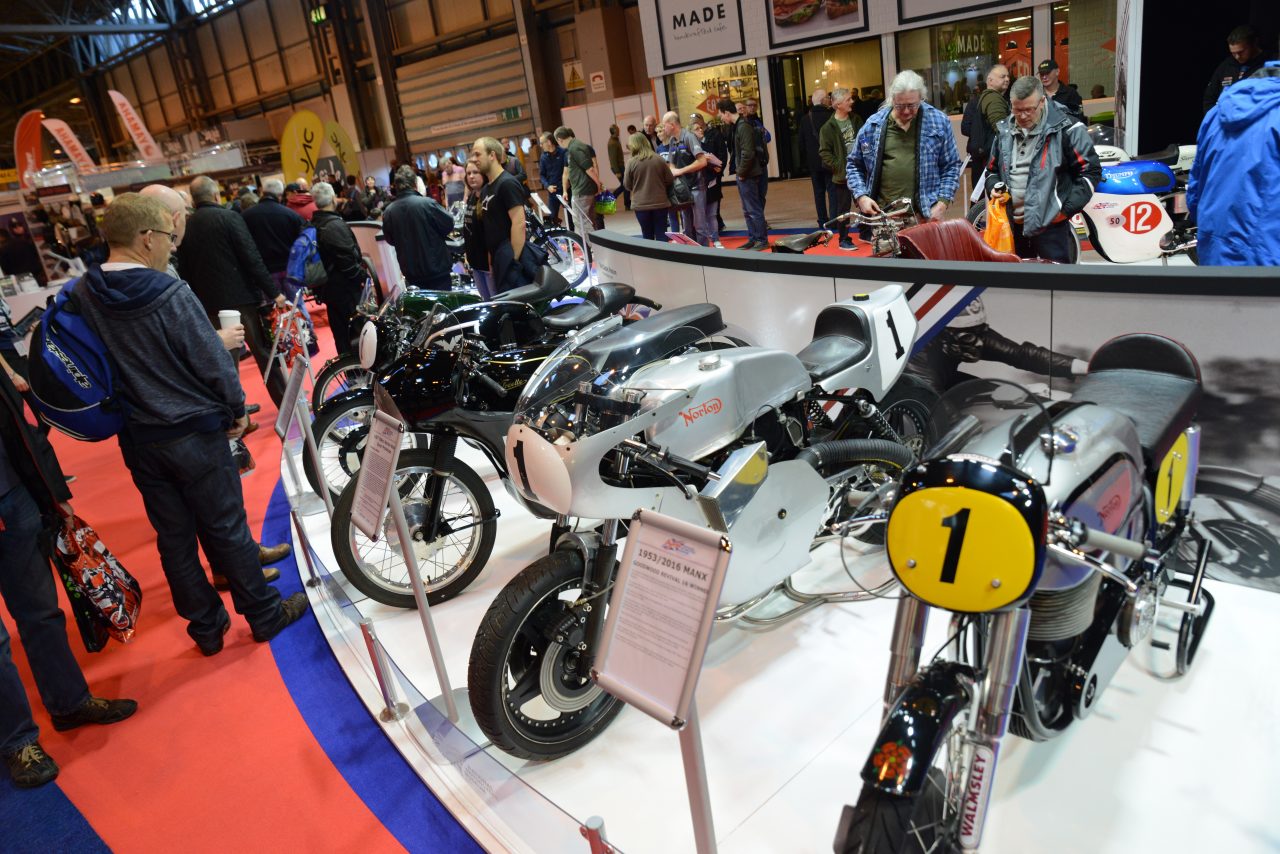
Within this article, we’ll discuss what makes a motorcycle a classic, how classic motorcycle insurance differs from a standard policy, and the types of cover available. We’ll also look at whether a classic motorcycle can be a sound investment, how riders can protect its value, what’s involved in adding a rider to a policy, and what’s needed to ride a vintage motorcycle on a car licence.
What Makes a Motorcycle a Classic?
There’s no single legal definition of a classic motorcycle. Still, most insurers consider a bike classic once it reaches 20 to 30 years old, with some policies extending coverage to bikes over 15 years old.
Age may bring tax benefits, too. Motorcycles over 40 years old might qualify for the Historic Vehicle tax class, which exempts them from vehicle tax and annual MOT testing, provided the bike hasn’t been substantially modified. That means if your vehicle was built before 1st January 1986, for example, you can stop paying vehicle tax from 1 April 2026. GOV.UK sets out how to apply for a vehicle tax exemption.
Is Classic Motorcycle Insurance Different to a Standard One?
Classic motorcycle insurance differs from a standard policy in several ways, such as how a bike’s value is worked out and how it is used daily. Here’s how the two compare:
Valuation Methods
Standard cover pays the motorcycle’s market value if it is written off or stolen.
Classic cover uses an agreed value set with the insurer in advance. If the motorcycle is written off or stolen, the insurer pays this agreed amount. You should remember that Agreed Value is only applicable on a Comprehensive policy.

Usage Restrictions
Standard cover allows for daily riding use, commuting, and errands, reflecting how a modern bike is likely to be used throughout the year. Classic cover is generally intended for pleasure rides, club meets, and shows, since these bikes tend to be kept for enjoyment, rather than for commercial or commuting use. Riders should check their policy wording before using a classic bike for commuting or commercial purposes, as this may fall outside the terms of cover.
Costs
Standard premiums tend to run higher, reflecting the daily traffic exposure and higher mileage that comes with everyday use. Classic premiums tend to be lower, since owners ride classic bikes less often, store them with greater care, and are typically owned by experienced riders; these factors may be viewed favourably when pricing risk.
Mileage Limits
Standard policies usually offer unlimited or daily-use mileage, suited to bikes ridden regularly for commuting or general use. Classic policies are usually capped, often between 1,500 and 5,000 miles a year, since lower mileage may help to preserve the motorcycle’s condition and keep premiums down. Classic motorcycle riders who expect to exceed their agreed mileage should speak to their insurer, as going over the limit may affect a claim.
Spare Parts and Repair
Standard cover uses replacement parts that suppliers widely stock, and mechanics should be able to source them easily. Classic cover may extend to OEM (Original Equipment Manufacturer) or speciality parts, since owners and restorers may find it harder to source original components for older bikes, and more costly to replace. Some classic policies also include restoration labour, helping cover the specialist work needed to keep a classic bike running to its original standard.
What Types of Classic Motorcycle Insurance Can You Choose From?
When it comes to classic motorcycle insurance, just like with standard motorbike insurance, there are three types of cover to choose from:
- Third-party only cover: the minimum level of motorcycle insurance that UK law requires riders to hold. Third-party insurance can provide cover for damage or injury caused to other road users and their vehicles. It may not cover damage to or theft of your own motorcycle; this requires an extra level of cover.
- Third-party, fire, and theft cover: builds on third-party insurance by protecting you against the cost of any damages to others’ property for which you may be liable. Third-party fire and theft covers your bike if it is stolen or damaged by fire, but it may not cover accidental damage to your own motorcycle.
- Comprehensive cover: also known as fully comp insurance, is the highest level of cover available for your motorcycle. It can cover you and your motorcycle in an accident, subject to policy terms, and may also cover the costs of damage to a third party and their vehicle. It may include protection against vandalism and optional extras such as a helmet and leather cover, a courtesy motorcycle, and legal expenses, depending on the insurer. You may claim against your comprehensive insurance cover if your motorcycle is stolen or damaged by fire.
The suitable option for you depends on your bike’s value, how often you ride it, and how you store it. For a closer look at classic bike insurance options and to get a quote, visit our classic bike insurance page.

These are brief product descriptions only. Please refer to the policy documentation, paying particular attention to the terms and conditions, exclusions, warranties, subjectivities, excesses and any endorsements.
Is a Classic Motorcycle a Good Investment?
A classic motorcycle may bring plenty of enjoyment, but it’s worth weighing up the practical and financial factors before committing to purchasing one.
Pros:
- Nostalgia and the enjoyment of owning a piece of motoring history.
- A lower entry cost compared to some other collectable vehicles.
- Potential tax advantages, for example, qualifying for MOT and vehicle tax exemption.
Cons:
- High maintenance requirements.
- Ongoing carrying costs, such as storage and insurance.
- Restoration traps, where repair costs quickly outweigh the motorcycle’s value.
These factors can vary significantly from bike to bike, so riders considering a purchase should consider getting independent advice for guidance specific to their circumstances.

Our guide on agreed value insurance for classic motorcycles explains how this type of policy may help protect your motorcycle’s worth.
How to Protect the Value of a Classic Motorcycle
Protecting a classic motorcycle’s value generally comes down to three things:
- Keeping the motorcycle in its original condition as possible.
- Storing it in climate-controlled conditions.
- Taking out an agreed value classic motorcycle insurance
Read our guide on classic motorcycle maintenance and restoration for more information.
Can I Add My Son to My Classic Motorcycle Insurance?
Adding a family member to a classic motorcycle insurance policy is generally ok, but there are a few policy rules and considerations to think about first:
- Insurer approval: not all insurers allow extra riders on classic policies. It’s therefore important you check your specific policy wording and consult your insurer.
- Main rider status: insurers usually want to know who the main rider is, as this might affect the policy terms.
- Cost impact: a younger or less experienced rider may affect the premium, depending on their age and riding history.
Can I Ride a Vintage Motorcycle on My Car Licence?
GOV.UK states it depends on the motorcycle’s size and when you passed your car driving test. If you passed before 1 February 2001, you might be able to ride a moped up to 50cc without L plates or CBT (compulsory basic training). If you passed on or after that date, you should complete CBT before riding a moped without L plates.
Riders must complete CBT before riding anything larger than a 50cc moped, regardless of when you passed your car test.
What You Need to Know About Classic Motorcycle Insurance
- Classic motorcycle insurance is usually available as third-party only, third-party fire and theft, or comprehensive cover.
- An agreed-value classic motorcycle insurance policy can help protect a classic motorcycle’s value. However, you should note that Agreed Value can only be applied to a fully comprehensive policy.
- Adding another rider is often possible, but it depends on the insurer and rider profile.
- Licence requirements for vintage bikes depend on engine size and test date.
Devitt is a specialist in motorcycle insurance, built on more than 90 years of insurance knowledge. Explore your classic motorcycle insurance options and get a quote.
Disclaimer: the sole purpose of this article is to provide guidance on the issues covered. This article is not intended to give legal advice, and, accordingly, it should not be relied upon. It should not be regarded as a comprehensive statement of the law and/or market practice in this area. We make no claims as to the completeness or accuracy of the information contained herein or in the links which were live at the date of publication.
You should not act upon (or should refrain from acting upon) information in this publication without first seeking specific legal and/or specialist advice. Arthur J. Gallagher Insurance Brokers Limited trading as Devitt accepts no liability for any inaccuracy, omission or mistake in this publication, nor will we be responsible for any loss which may be suffered as a result of any person relying on the information contained herein.