

Before you add a sidecar to your motorcycle, there are specific rules and setup considerations to be aware of.
We’ll take you through them below, as we cover licence requirements, riding on L plates, how sidecars are fitted, and more.
Motorbikes with sidecar licence requirements in the UK
Licence requirements for riding a motorcycle with a sidecar depend on when your licence was issued and the engine size of the bike you’re riding.
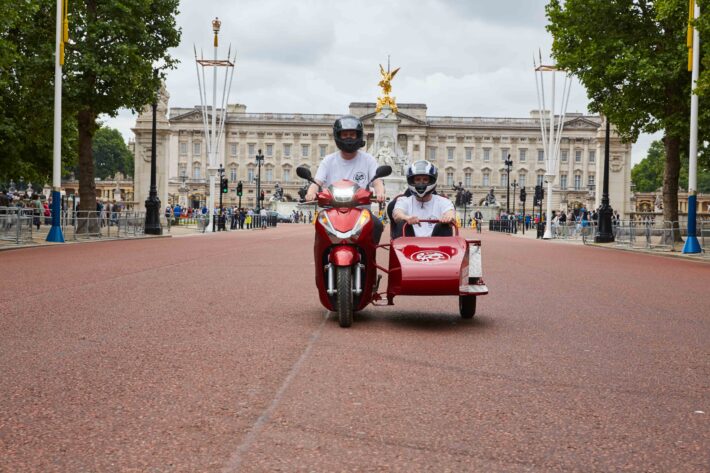
The rules can also differ depending on whether you hold a full licence or a provisional, so it’s worth understanding where you stand before getting started.
What licence do you need for motorbikes with sidecars?
If you hold a full motorcycle licence, you can generally ride a motorcycle fitted with a sidecar, provided the bike falls within the category entitlement of your licence. That means the motorcycle should sit within the A1, A2, or full Category A limits, depending on what your licence permits.
It’s worth noting that a full UK car licence alone doesn’t automatically allow you to ride a motorcycle with a sidecar. You’d still need the appropriate motorcycle entitlement to do so.
If you’re unsure which category applies to your bike, the GOV.UK bike categories, ages and licence requirements page can help clarify.
Can you ride motorbikes with sidecars on L plates?
Provisional licence holders who have completed CBT may be able to ride a motorcycle with a sidecar fitted.
However, there are restrictions to be aware of:
- Engine capacity limits apply based on your licence category
- The sidecar must be properly fitted and roadworthy before the motorcycle is used on public roads
- The standard CBT restrictions apply, including L plates and no motorway riding
The rules around this can vary depending on bike category and test type, so it’s worth checking the latest guidance from the DVLA or GOV.UK before riding.
Can any motorcycle have a sidecar?
While many motorcycles can technically have a sidecar installed, not all bikes are well suited to the job.
The additional weight and altered handling that come with a sidecar mean the bike needs to be up to the task.
Motorcycles that work well with sidecars
Bikes that tend to work well with sidecars usually share a few common characteristics:
- A strong, robust frame construction
- A larger engine capacity to handle the extra load
- Good torque for pulling the additional weight, particularly at lower speeds
Classic touring bikes, cruiser motorcycles, and purpose-built sidecar outfits are among the types most commonly used. Their build quality and engine output make them more practical choices for sidecar use.
Motorcycles that may not be suitable for sidecars
Some bikes aren’t well suited to having a sidecar fitted. These include:
- Lightweight sport bikes, which aren’t designed for the additional weight and stress
- Small 50cc–125cc motorcycles, which may not provide sufficient power or structural strength for safe and practical use with a sidecar
- Motorcycles with aluminium frames not built to handle sidecar loads
It’s also worth noting that most sidecar installations require specific mounting points on the frame. If a bike doesn’t have these, or can’t accommodate them safely, it may not be a practical option for a sidecar.
How to mount a sidecar to a motorcycle
Fitting a sidecar isn’t a straightforward bolt-on job. It’s a specialist task that requires correct alignment, appropriate mounting hardware, and careful setup.
Getting it wrong can significantly affect how the bike handles and may create safety risks on the road.
Here’s an overview of the key steps involved.
Step 1: Fit a motorcycle subframe
Before the sidecar can be attached, a subframe is typically fitted to the motorcycle. This provides strong, dedicated mounting points and helps distribute the load without putting stress on the original bike frame.
Step 2: Attach the sidecar frame
Once the subframe is in place, mounting struts are used to connect the sidecar chassis to the motorcycle. These struts need to be securely fastened and positioned correctly before any further adjustments are made.
Step 3: Align the sidecar correctly
Alignment is one of the most important parts of the setup. There are three key settings to get right:
- Toe-in: The slight inward angle of the sidecar wheel relative to the bike
- Lean-out: A small outward tilt of the motorcycle to compensate for the sidecar’s weight
- Wheel lead: The forward position of the sidecar wheel relative to the rear wheel of the bike
Getting these settings right helps the outfit track straight and handle predictably on the road.
Step 4: Install lighting and safety equipment
The sidecar needs to be visible to other road users, so indicators, brake lights, and reflectors should all be connected and functioning before you ride.
The sidecar must also have appropriate lighting and indicators fitted in line with UK road vehicle lighting regulations.
Is it legal to ride a motorcycle with a dog in the sidecar?
Riding with a dog in a motorcycle sidecar is generally legal in the UK, provided the animal is safely secured. As the rider, you’re responsible for your pet’s safety throughout the journey.
To help keep your dog comfortable and secure, it’s worth considering the following:
- Use a harness attached securely inside the sidecar to prevent the dog from moving around or jumping out
- Fit protective goggles to shield their eyes from wind and debris
- Introduce your dog to the sidecar gradually, so they can get used to the experience before longer rides
As with any passenger, the dog’s comfort and safety should be a priority every time you head out.
How riding a motorcycle with a sidecar is different
Riding a motorcycle with a sidecar fitted is quite different from riding solo. The biggest change is that sidecars don’t lean like a motorcycle does, which means you’ll need to adapt your riding technique.
Key differences to be aware of include:
- Steering instead of leaning: You steer the outfit rather than using body weight and lean to navigate corners
- Asymmetrical weight distribution: The sidecar sits on one side of the bike, which affects how it responds at different speeds and in different conditions
- Turning behaviour: The outfit handles differently depending on which direction you’re turning, with turns towards the sidecar feeling tighter and turns away from it feeling wider
For riders making the switch to sidecar riding, practice and additional training are worth considering. Getting time on quiet roads before riding in traffic can help you build confidence.
Specialist insurance for motorcycles with sidecars
Motorbikes with sidecars can offer a practical and comfortable way to ride. But as this guide covers, there are licence requirements and setup considerations to understand before you hit the road.
Another key thing to be aware of is motorbike insurance. After all, it’s a legal requirement and can help provide protection for yourself and other road users.
Whatever type of bike you ride, Devitt offers motorbike insurance designed to suit different bikes and riding styles.
Request a quote online or contact our UK-based team to find out more.
Disclaimer
The sole purpose of this article is to provide guidance on the issues covered. This article is not intended to give legal advice, and, accordingly, it should not be relied upon. It should not be regarded as a comprehensive statement of the law and/or market practice in this area. We make no claims as to the completeness or accuracy of the information contained herein or in the links which were live at the date of publication.
You should not act upon (or should refrain from acting upon) information in this publication without first seeking specific legal and/or specialist advice. Arthur J. Gallagher Insurance Brokers Limited trading as Devitt accepts no liability for any inaccuracy, omission or mistake in this publication, nor will we be responsible for any loss which may be suffered as a result of any person relying on the information contained herein.