

If you own a classic motorcycle, you may already know that standard insurance valuations can fall short of reflecting your bike’s true worth. Agreed value is a policy feature available with many classic motorcycle insurance policies, designed to help owners protect the value of their machine more accurately.
Unlike standard market value cover, agreed value means the insurer and owner agree on a fixed sum before the policy begins. Should the worst happen, that agreed amount forms the basis of any total loss settlement, subject to policy terms. For classic motorcycles, which can appreciate over time and may carry significant restoration investment, this can provide greater certainty and help offer you peace of mind.
What Is Agreed Value Insurance for a Classic Motorcycle?
Agreed value insurance is a policy feature where the insurer and the owner agree on a fixed value for the motorcycle when cover starts. That value is then recorded on the policy, and, in the event of a total loss, it forms the basis of what is paid out, subject to the terms and conditions of the policy.
This approach differs from market value insurance, where the settlement amount reflects what the motorcycle was worth immediately before the loss occurred. With market value policies, that figure can be affected by depreciation, market fluctuations, or general wear and tear, which may not accurately reflect what you paid or what you have invested in your machine.
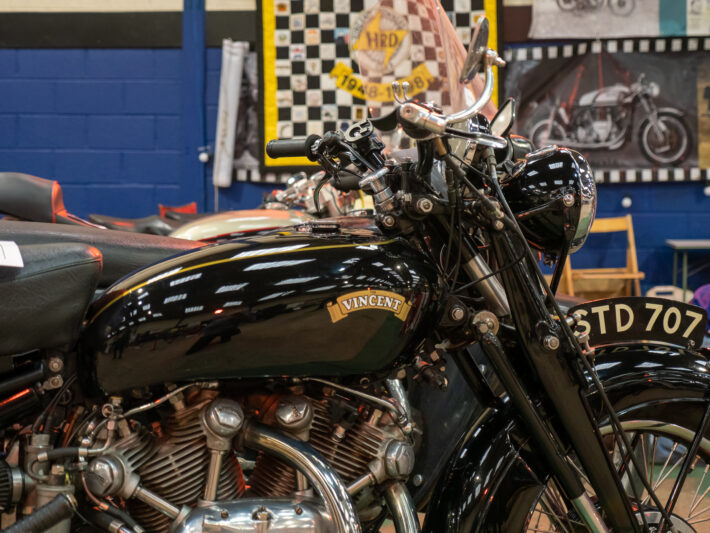
Agreed value is often used for, classic, rare, restored, or custom motorcycles, where standard valuation methods can struggle to capture the full picture. Key points to be aware of include:
- The agreed value is set when cover starts.
- It is typically based on evidence provided by the owner.
- If the motorcycle is declared a total loss, the agreed amount is what would be paid, subject to policy terms.
- It can reduce uncertainty over valuation at the time of a claim.
- It is commonly used for classic, vintage, rare, restored, or collectable motorcycles.
How Does Agreed Value Classic Motorcycle Insurance Work?
Setting up an agreed value policy typically involves a straightforward process between you and your insurer. The owner submits evidence of the motorcycle’s value, the insurer reviews the supporting documentation, and a figure is agreed and recorded on the policy. That value remains in place for the duration of the policy term, though it should be reviewed at renewal.
Here is a simplified example of how the process might work in practice:
- You purchase a restored 1972 Triumph Bonneville and have it independently valued at £12,000.
- You provide supporting documentation, including photographs, restoration records, and the valuation report, to your insurer.
- The insurer reviews the evidence and agrees the £12,000 value, which is recorded on your policy.
- If your motorcycle is later stolen and not recovered, the insurer would aim to settle the claim based on that agreed figure, subject to policy terms and conditions.
If you need to make a claim because your bike has been stolen or written off, the agreed value recorded on your policy forms the basis of your settlement, rather than what a loss adjuster might determine the market value to be at that point.
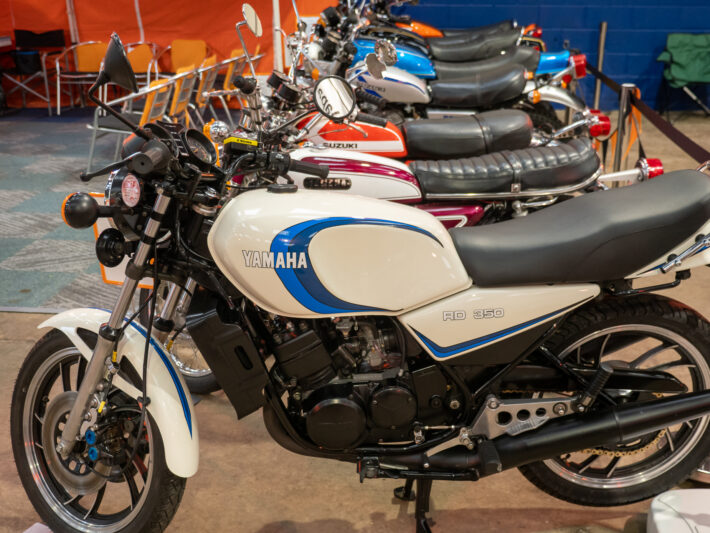
It is worth noting that agreed value typically applies to total loss situations. Partial damage claims, such as those involving repairs following an accident, are generally settled based on the cost of the repairs needed, rather than the agreed value of the bike.
Agreed Value vs Market Value Insurance
Understanding the difference between classic motorcycle insurance agreed value and market value insurance can help you decide which approach may be more suitable for your classic motorcycle.
| Feature | Agreed Value | Market Value |
| How value is determined. | Fixed at the start of the policy, based on agreed evidence. | Based on the open market value at the time of loss. |
| Certainty of payout. | Payout based on the agreed figure, subject to policy terms. | Payout can vary depending on market conditions at the time of loss. |
| Suitability for classic motorcycles. | Often more suitable, as it can reflect restoration work and rarity. | Might not necessarily reflect appreciation, restoration costs, or rarity. |
| Risk of valuation disputes. | Reduced, as the value is agreed when the policy starts. | Greater potential for disagreement over the settlement figure. |
| Impact of market fluctuations. | Insulated, as the figure stays fixed during the policy term. | Settlement figure can be affected by the market change. |
Classic motorcycles can appreciate in value over time, particularly rare or limited production models. A market value policy may not capture this appreciation in the same way, which means owners could receive a settlement that falls short of what they might need to replace or restore their machine.
Why Is Agreed Value Important for Classic Motorcycles?
Many classic motorcycles present characteristics that make traditional valuations challenging. Rarity, restoration quality, documented history, and collector demand can all influence the value of a classic bike in ways that a standard valuation may not fully reflect.
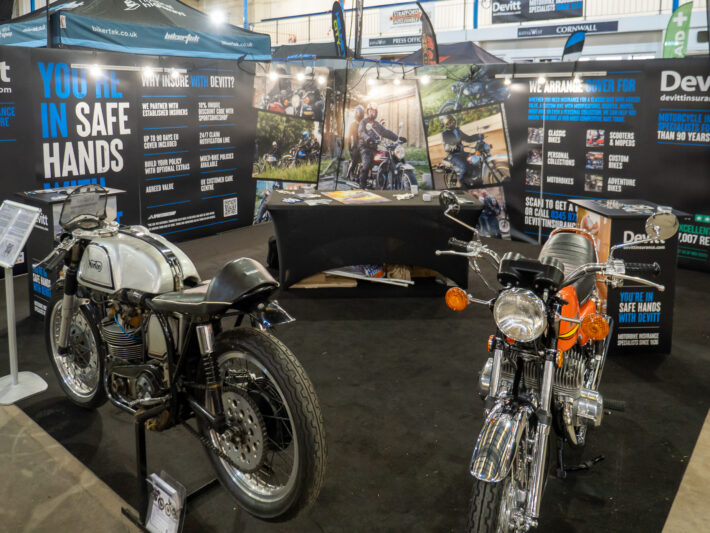
There are several reasons why agreed value can be particularly relevant for classic motorcycle owners:
- Rarity can increase a motorcycle’s value significantly above standard market comparisons.
- Restoration work, particularly where original or hard-to-find parts have been used, can substantially increase worth.
- Limited production models often attract collector interest, which can push values higher.
- Demand within enthusiast markets can shift, and a fixed agreed value provides some protection against downward fluctuations affecting your settlement.
- Original parts and a documented ownership or service history can add meaningful value that may not be easily captured in a standard market valuation.
For owners who have invested heavily in their bikes, whether through purchase, restoration, or maintenance, agreed value can help provide greater certainty and peace of mind in the event of a total loss.
How Is the Agreed Value of a Classic Motorcycle Determined?
Insurers typically consider a range of factors when assessing the agreed value of a classic motorcycle. The exact criteria can vary between insurers, but common considerations include:
- Age and rarity of the model.
- Overall condition of the motorcycle.
- Quality of any restoration work carried out.
- Current mileage.
- Service and maintenance history.
- Originality of parts and components.
- Collector demand for that particular model.
- Auction results and recent sales data for comparable motorcycles.
Because requirements can differ from one insurer to another, it is worth checking directly with your insurer or broker about what they need to establish the agreed value of your bike.
What Evidence Do You Need for a Classic Motorcycle Insurance Agreed Value Policy?
Insurers commonly ask for supporting documentation before agreeing a value for a classic motorcycle policy. Providing thorough, accurate evidence can help avoid delays during policy setup or at the point of a claim. Documentation typically requested includes:
- Recent photographs of the motorcycle from multiple angles.
- Proof of ownership.
- Purchase receipts, particularly if the bike was recently acquired.
- Records of any restoration work carried out.
- Independent valuation reports from a recognised specialist or valuer.
- Owners’ club valuations, where these are accepted by the insurer. For guidance on how the DVLA classifies historic and classic motorcycles, see the UK historic vehicles page.
- Maintenance and service documentation.
The more thorough and accurate the evidence you provide, the smoother the process is likely to be. If you are unsure what documentation your insurer requires for a classic motorcycle insurance agreed value policy, it is worth contacting them directly before your cover starts.
Does Agreed Value Need Updating?
Classic motorcycle values can change over time, and it is worth reviewing the agreed value on your policy regularly to make sure it still reflects your bike’s current worth. Your annual policy renewal provides a natural opportunity to reassess, and insurers may ask you to confirm whether circumstances have changed.
There are specific situations where requesting a new valuation is particularly worth considering:
- Following significant restoration work that increases the bike’s value.
- When comparable models have seen notable appreciation in the market.
- If you acquire a rare model where values are climbing.
- After modifications that enhance the collectable value of the motorcycle.
Leaving an agreed value unchanged for several years carries some risk. If your bike’s value has increased substantially and your agreed value has not been updated, you may find that the figure recorded on your policy may not reflect what it would actually cost to replace or restore your machine in the event of a total loss.
Are There Any Limitations to Agreed Value Insurance?
While agreed value can offer useful protection for classic motorcycle owners, it is important to understand how the cover operates and what conditions apply. Points to be aware of include:
- Policy terms and conditions still apply, and a claim will be assessed in line with the full policy wording.
- Agreed value typically applies to total loss situations, such as theft or write-off, rather than partial damage claims.
- Supporting evidence is likely to be required at the outset, and the insurer may request additional documentation.
- The agreed value should be reviewed periodically to ensure it remains accurate and appropriate.
- Premiums for agreed value policies can differ from those for standard market value cover.
As with any insurance policy, it is important to read the policy documentation carefully and make sure you understand the terms and conditions that apply to your cover. Speaking to a specialist in providing motorbike insurance can help you understand whether classic motorcycle insurance agreed value cover may be a suitable option for your bike.
Keep Your Classic Motorcycle Protected with Devitt
With over 90 years of experience in motorbike insurance, Devitt provide motorcycle insurance for riders across the UK. If you ride a classic motorcycle and would like to explore your cover options, including whether agreed value might be suitable for your bike, you can find out more about our classic motorcycle insurance or speak to our UK-based team.
Disclaimer: the sole purpose of this article is to provide guidance on the issues covered. This article is not intended to give legal advice, and, accordingly, it should not be relied upon. It should not be regarded as a comprehensive statement of the law and/or market practice in this area. We make no claims as to the completeness or accuracy of the information contained herein or in the links which were live at the date of publication.
You should not act upon (or should refrain from acting upon) information in this publication without first seeking specific legal and/or specialist advice. Arthur J. Gallagher Insurance Brokers Limited trading as Devitt accepts no liability for any inaccuracy, omission or mistake in this publication, nor will we be responsible for any loss which may be suffered as a result of any person relying on the information contained herein.